
sustainability
- All
- Advertorials
- Articles
- CEOs & Managing Directors
- Chefs
- Chief Commercial Officer
- Chief Operating Officer
- Features
- Founders
- Front of House
- Horeca Meets
- Horeca Reviews
- Horeca Reviews Hotels
- Horeca Reviews Restaurants
- Horeca Travels
- Hotels General Managers
- Interviews
- Latest News
- Restaurant Managers
- Sales Managers
- Sommeliers
- Students
- Wine Communicator
June 30, 2026
The discussions around organic food in hospitality have shifted. It is rapidly becoming an essential part of the tourism experience, driven by growing consumer awareness of health, sustainability, and environmental responsibility.
April 12, 2026
In any hospitality business, the areas with the greatest environmental impact are water, waste, and energy use. Here are three sustainable practices making an impact on the hospitality industry.
November 5, 2025
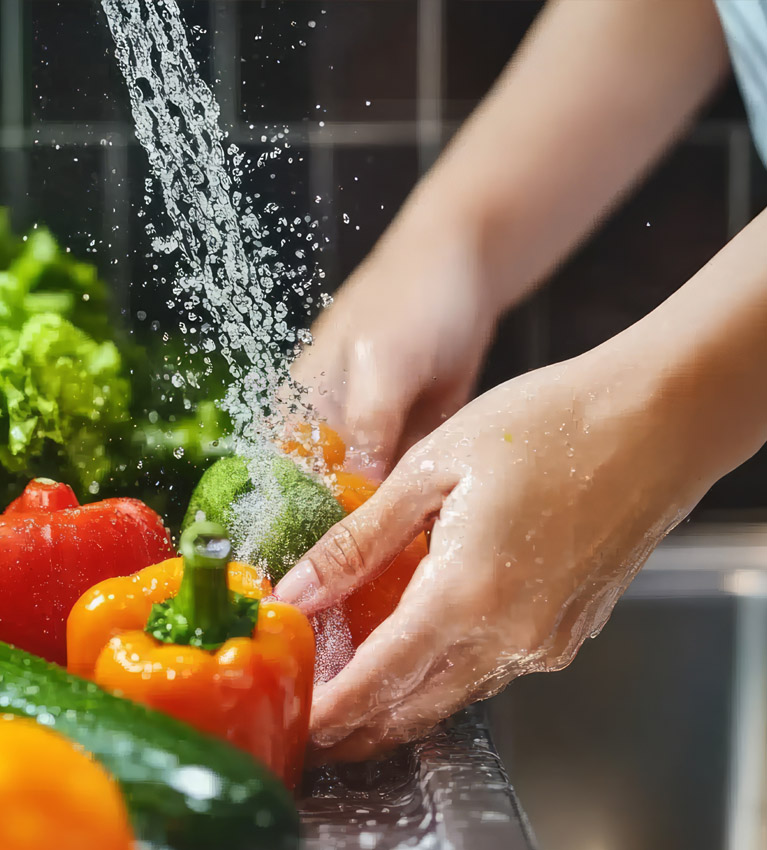
In the third segment of this series on Malta’s food systems, Director Sonya Sammut reflects on what sustainability actually means for food businesses and how we can help make it real.
August 2, 2025

In this second part of a deep dive into sustainability, Joseph Galea delves into how hotels can embark on a greener approach without the need to fork out large investments.
June 12, 2025

Sustainability has been a buzz word in the hospitality industry for some time, and stakeholders are realising that adopting such practices is necessary to improve business prospects.
October 2, 2024

Tourism in Malta has evolved into a resilient and mature industry, employing thousands of workers, and attracting millions of visitors.
August 6, 2024

In efforts to keep the ever-growing success of our tourism efforts going, the Malta Tourism Authority prepares to participate in various tourism fairs at this time of year.
November 20, 2023
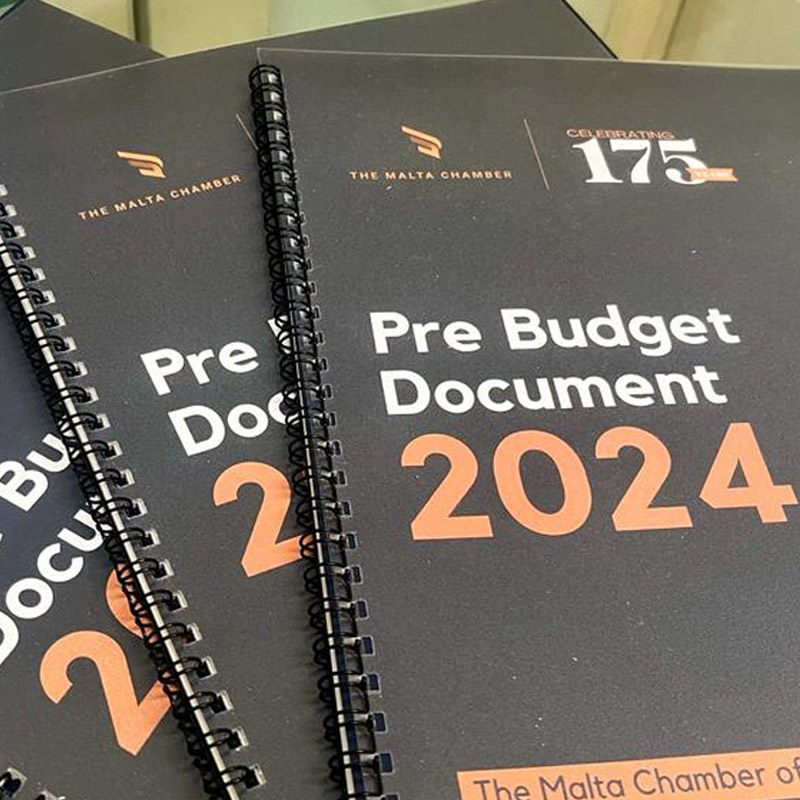
The Maltese tourism industry, a cornerstone of the country’s economy, has been grappling with significant challenges, as highlighted by recent surveys from the Association of Catering Establishments (ACE) and The Malta Chamber.
November 19, 2023
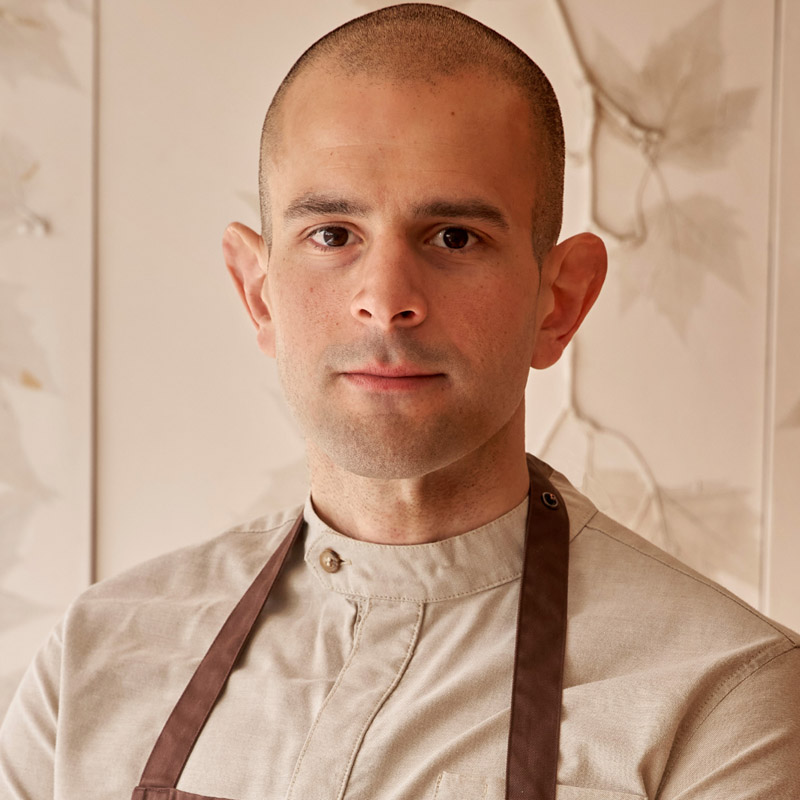
HIDE, nestled in the heart of London, is renowned not only for its exceptional cuisine but also for its innovative dining experiences. At the helm of this culinary voyage is Martin Carabott, Group Head Chef at HIDE.
October 7, 2023
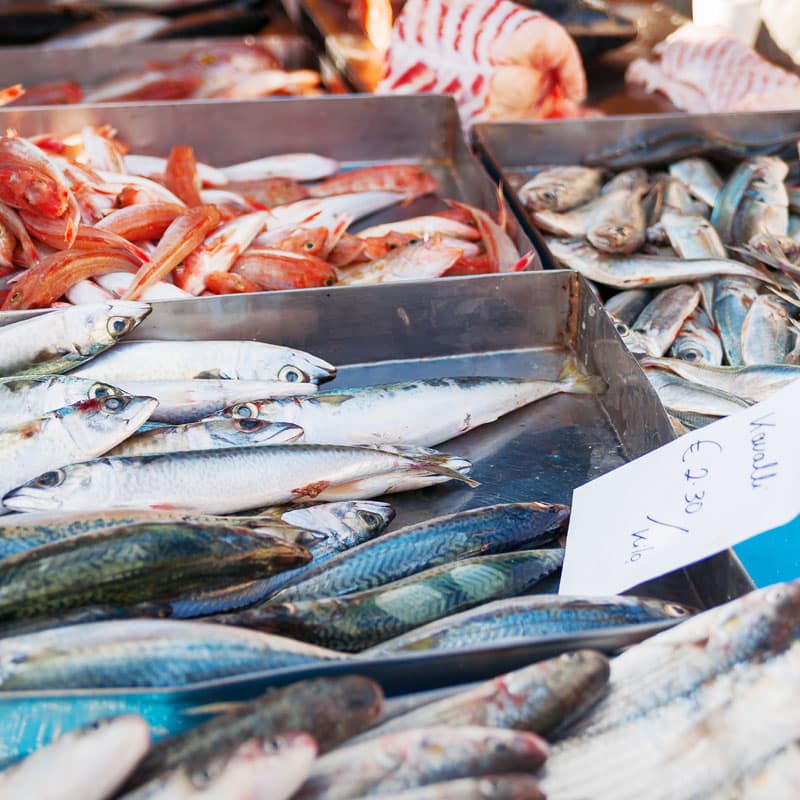
The term ‘local food’ has multiple and sometimes conflicting definitions. In most cases it means that the food was grown in close physical proximity to the consumer for example a few kilometres from the point of sale.