
Horeca101
- All
- Advertorials
- Articles
- CEOs & Managing Directors
- Chefs
- Chief Commercial Officer
- Chief Operating Officer
- Features
- Founders
- Front of House
- Horeca Meets
- Horeca Reviews
- Horeca Reviews Hotels
- Horeca Reviews Restaurants
- Horeca Travels
- Hotels General Managers
- Interviews
- Latest News
- Restaurant Managers
- Sales Managers
- Sommeliers
- Students
- Wine Communicator
July 16, 2026
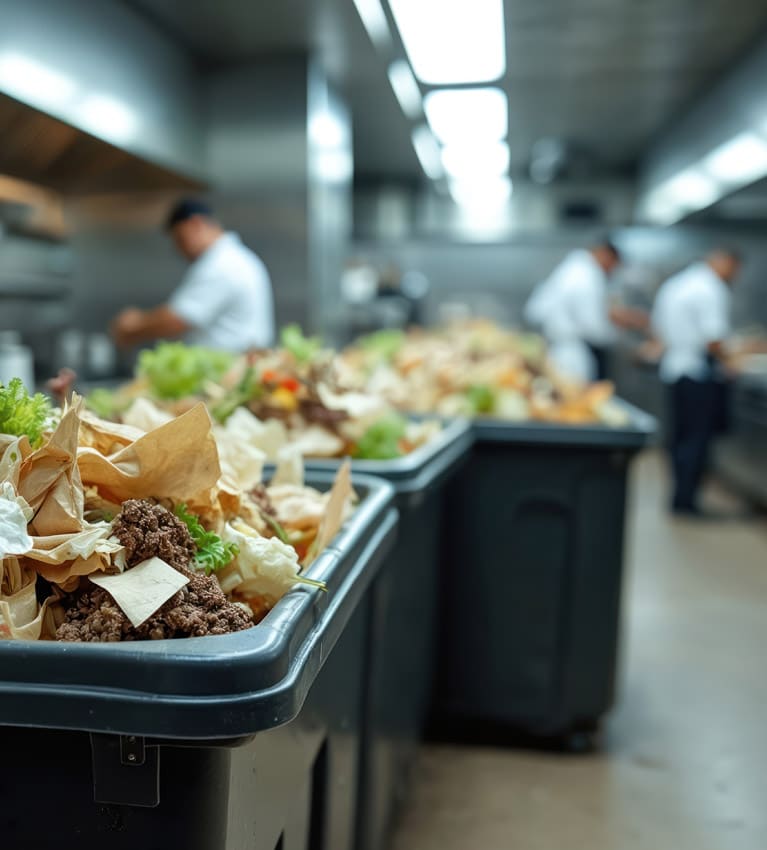
Food waste remains one of the most pressing environmental challenges globally, contributing significantly to greenhouse gas emissions, wasted resources, and unnecessary pressure on land and water systems.
July 15, 2026
On 6th and the 12th of May 2026 the Food Safety and Security Authority (FSSA) held a targeted information and coordination meeting with Malta’s leading event organisers, marking a more proactive and structured approach ahead of the 2026 event season.
July 7, 2026
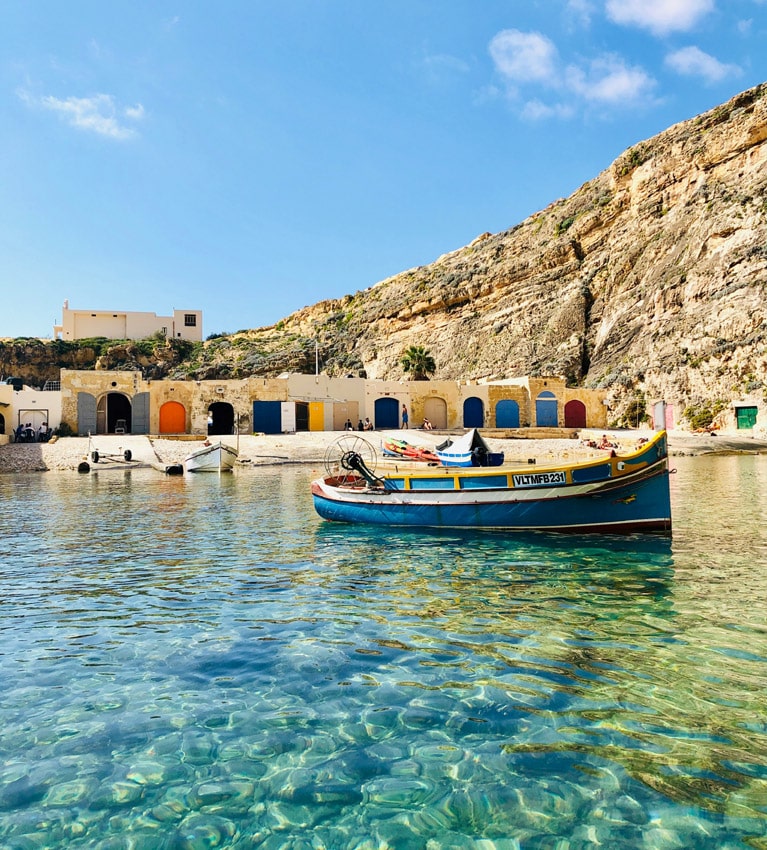
The Mediterranean has always been more than a geographical region. It is a shared civilisation, a crossroads of cultures, and one of the world’s most enduring tourism brands.
July 7, 2026

The restaurant and catering industry has always depended heavily on people. Hospitality is built on personal interaction, attentive service, creativity, and the ability to create memorable experiences for customers.
June 30, 2026
The discussions around organic food in hospitality have shifted. It is rapidly becoming an essential part of the tourism experience, driven by growing consumer awareness of health, sustainability, and environmental responsibility.
June 5, 2026

ACE President Michelle Muscat shares insights about what higher-end quality tourism really means for our catering industry.
June 5, 2026
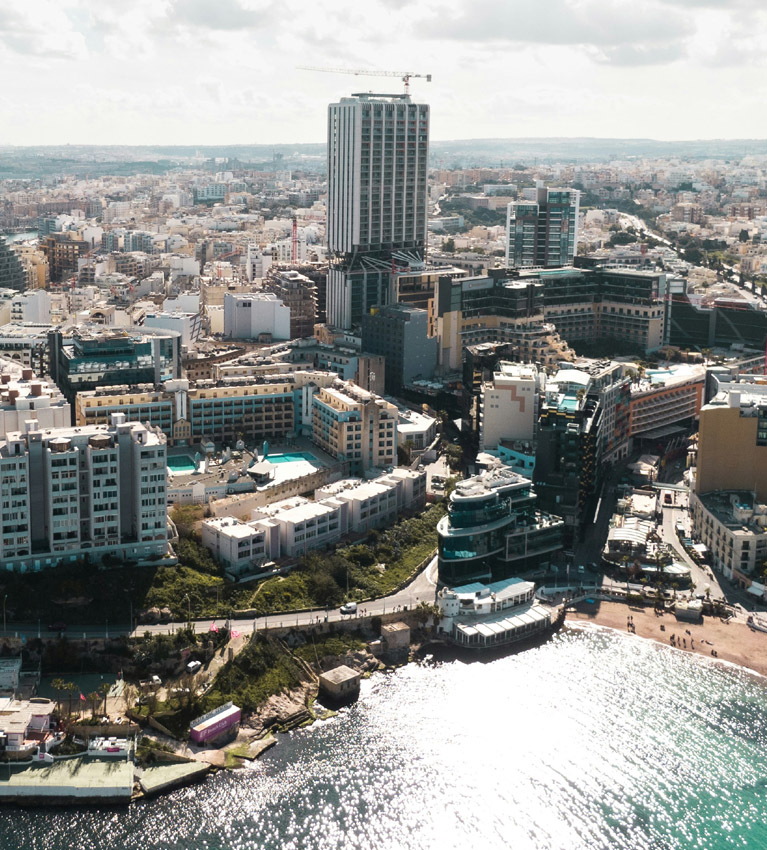
Safety strategies for Coastal & High Rise Hospitality Properties. Article written by Tony Zahra, President of the Malta Hotels Restaurants Association.
April 23, 2026

Malta’s food sector continues to develop as an important contributor to the national economy, closely linked to tourism, trade and sustainability.
April 12, 2026
In any hospitality business, the areas with the greatest environmental impact are water, waste, and energy use. Here are three sustainable practices making an impact on the hospitality industry.
January 4, 2026
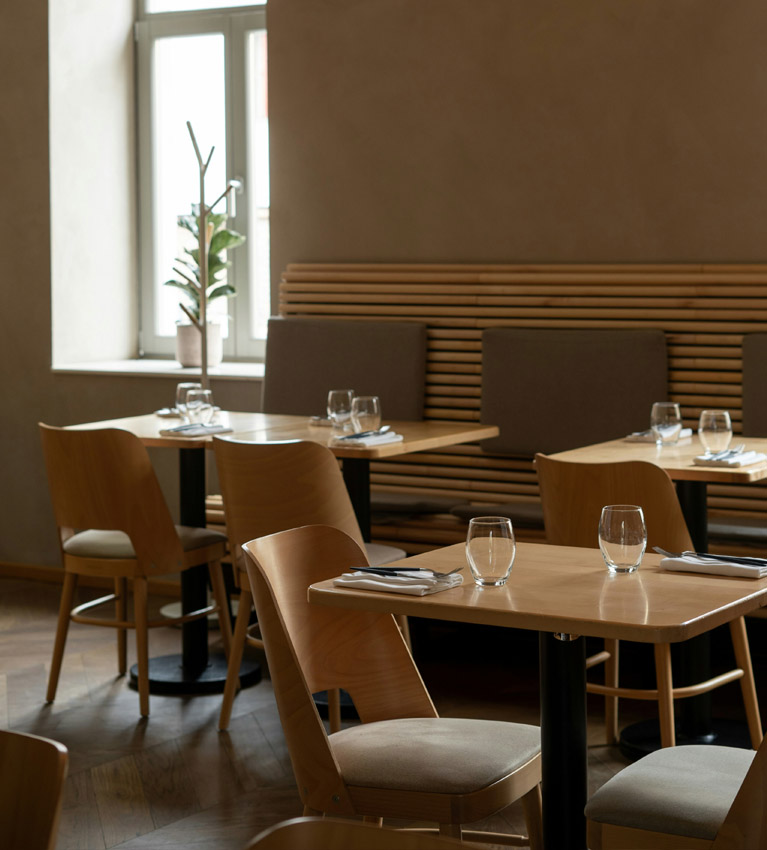
Cautious optimism marks Malta’s restaurant sector as investment appetite strengthens despite profit pressures. Ramona Depares reports.