
Horeca Malta
- All
- Advertorials
- Articles
- CEOs & Managing Directors
- Chefs
- Chief Commercial Officer
- Chief Operating Officer
- Features
- Founders
- Front of House
- Horeca Meets
- Horeca Reviews
- Horeca Reviews Hotels
- Horeca Reviews Restaurants
- Horeca Travels
- Hotels General Managers
- Interviews
- Latest News
- Restaurant Managers
- Sales Managers
- Sommeliers
- Students
- Wine Communicator
November 26, 2026

Food safety inspections and audits play an important role in maintaining public confidence in Malta’s food supply. Behind every meal served in a restaurant, hotel or catering establishment is a system of controls designed to ensure that food is safe, properly handled and traceable.
November 25, 2026
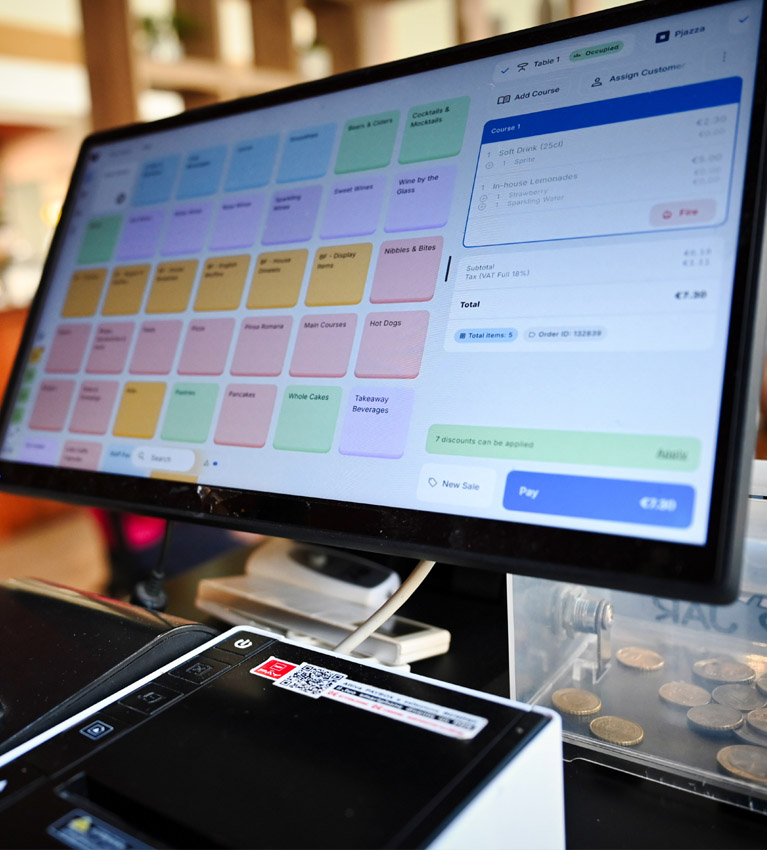
From a single till in Gozo to a full product management platform now moving into restaurants across the islands, Twine POS is proving that software built around local realities beats any off-the-shelf solution any day.
November 24, 2026

A free online guide is now available for small business owners wondering where AI can genuinely fit into everyday operations.
November 23, 2026

As the Malta Tourism Authority explores where AI can deliver real operational value, Director of Information Technology Andrew Cassar explains why the focus is on solving practical problems, supporting staff and keeping human judgement in control.
November 19, 2026
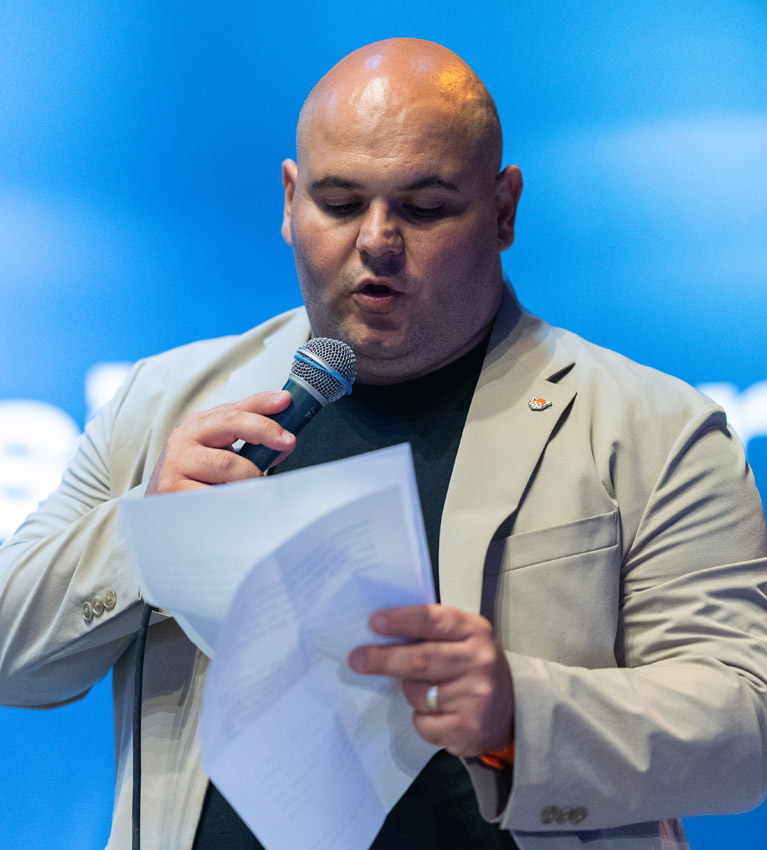
From a technical lab dressed up as a restaurant to a new profit-and-loss tool called ilGlu, David Seisun's Sixteen Hospitality Solutions has built his business on an idea any catering establishment can swiftly get behind, and that is that its clients' success is its own.
November 16, 2026

Tania Sultana, Head of Research at the Malta Tourism Authority, explains how a major AI project is bringing tourism data together, speeding up analysis and laying the groundwork for a more informed approach to decision-making.
October 9, 2026
This October, Malta will become the meeting point for some of the most influential voices in the international food and hospitality community as Food on the Edge comes to Valletta on 19 and 20 October 2026.
October 8, 2026
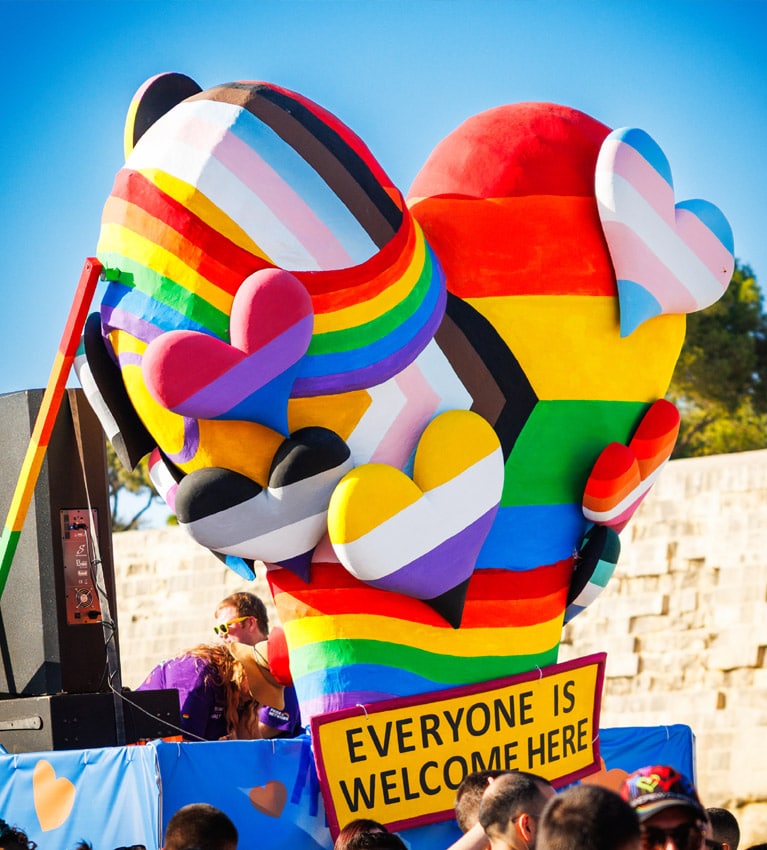
Every September, Malta celebrates LGBTQ+ Month, highlighting inclusion, visibility and the country’s continued commitment to equality. Malta’s strong international reputation as an LGBTQ+-friendly destination also presents important opportunities for the local hospitality and tourism industry.
October 7, 2026
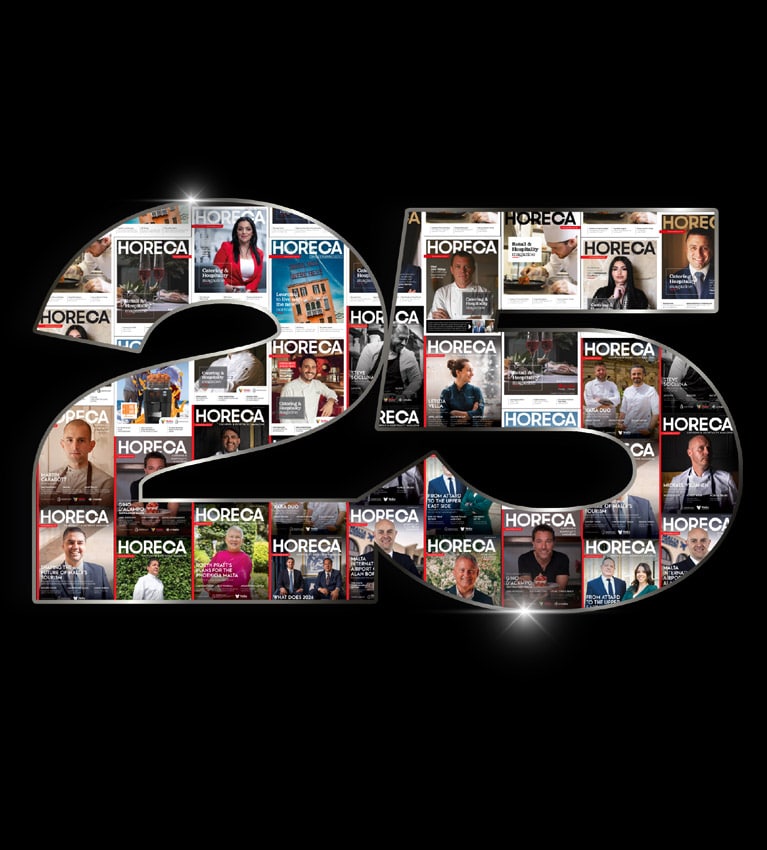
Twenty-five editions ago, HORECA Magazine began as an idea sketched out by Ryan Galea, who had worked and understood both sides of Malta's hospitality industry from the operators who run it to the media world that could give it a voice.
August 13, 2026
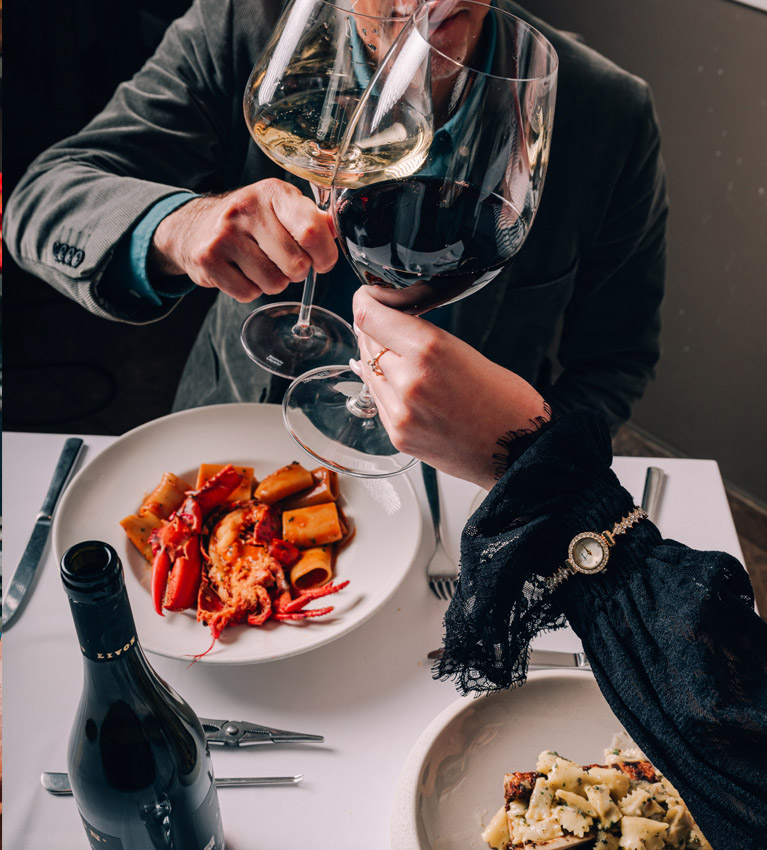
It is a Thursday evening in summer. Two restaurants sit a hundred metres apart. Same street. Similar menus. Similar prices. One has a waiting list. The other has empty tables and a head chef wondering what went wrong. The food is not the difference. Often the quieter venue cooks better.