

Preventing Food Waste in the Hospitality Sector

The Food Safety & Security Authority Strengthens Coordination with Event Organisers
July 15, 2026
Malta’s Most Iconic Summer Concert
July 19, 2026Guidelines by the Environment and Resources Authority.
Food waste remains one of the most pressing environmental challenges globally, contributing significantly to greenhouse gas emissions, wasted resources, and unnecessary pressure on land and water systems.
When food is discarded, all the energy, labour, transport, and water used in its production are wasted alongside it. Food waste is considered a major issue both globally and locally, with figures indicating that in 2023, Malta generated around 71,000 tonnes of food waste across all stages of the food supply chain, equating to circa 128 kilograms per capita.
This also holds true within the HORECA sector, where food waste presents both an environmental and economic concern. Hotels, restaurants, cafés, and catering establishments generate waste through overproduction, inefficient storage, oversized portions, spoilage, and plate leftovers.
In a highly competitive industry where margins are often tight, reducing food waste is not only a sustainability measure but also a business opportunity that can improve operational efficiency and reduce purchasing costs
Addressing food waste within HORECA operations requires a combination of planning, staff engagement, and smarter kitchen practices. Examples of food waste prevention measures include:
- Improved stock management – systems such as “first in, first out” rotation can help minimise spoilage and unnecessary disposal of ingredients.
- Accurate forecasting and menu planning – better demand forecasting reduces overproduction, while flexible menus allow kitchens to make better use of seasonal ingredients and surplus stock.
- Portion control measures – offering different portion sizes and encouraging customers to take leftovers home can significantly reduce plate waste.
- Staff training and awareness – kitchen and service staff play a key role in identifying avoidable waste and improving food handling practices.
- Use of technology – inventory tracking systems and digital monitoring tools can help businesses identify where waste occurs most frequently and take corrective action.
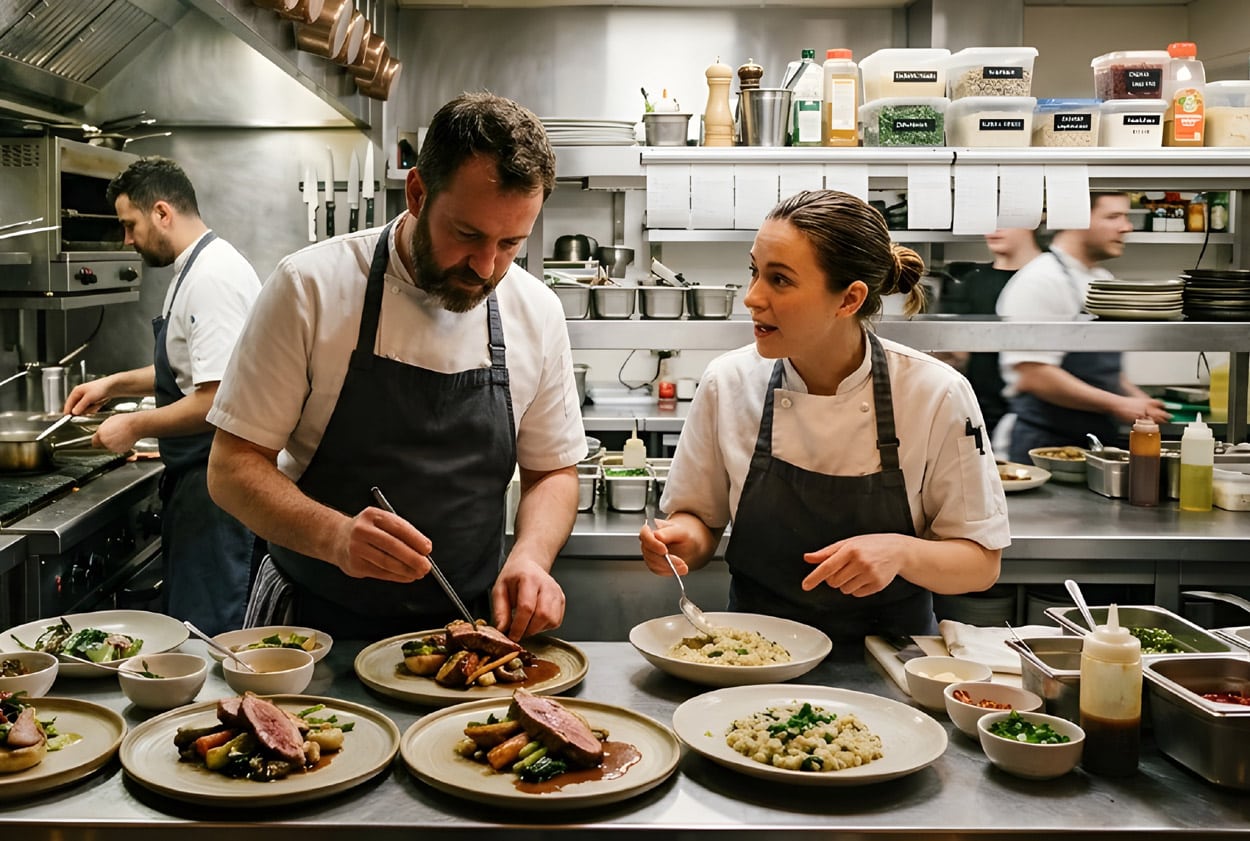
When discussing food waste prevention within the HORECA sector, one should also note that such practices may equally be adopted at home.
Significant food wastage is also observed within households, often resulting from over-purchasing, improper storage, poor meal planning, and discarded leftovers.
Simple measures such as planning meals in advance, purchasing only what is needed, storing food correctly, and making better use of leftovers can help reduce avoidable waste and contribute towards more sustainable consumption practices.
Locally, the Environment and Resources Authority (ERA) is currently working on the development of a national Food Waste Prevention Programme aimed at addressing food waste across the entire food supply chain, including food services and hospitality.
Through the future national programme, Malta aims to reduce avoidable food waste and improve resource efficiency in both homes and businesses.
The Environment & Resources Authority (ERA) is a Government Authority entrusted with safeguarding the local environment.
As the national regulator on the environment, ERA also maintains consultation with stakeholders so as to promote and instill sound environmental management.
https://era.org.mt/ | https://era.org.mt/contact/
Click here to see Horeca Issue 24 online