Grappa – A Unique Spirit in The World

Benna Introduces Tar-Rahhal to Malta’s HORECA Sector
July 26, 2026
Beyond the Bugibba Postcard
August 3, 2026
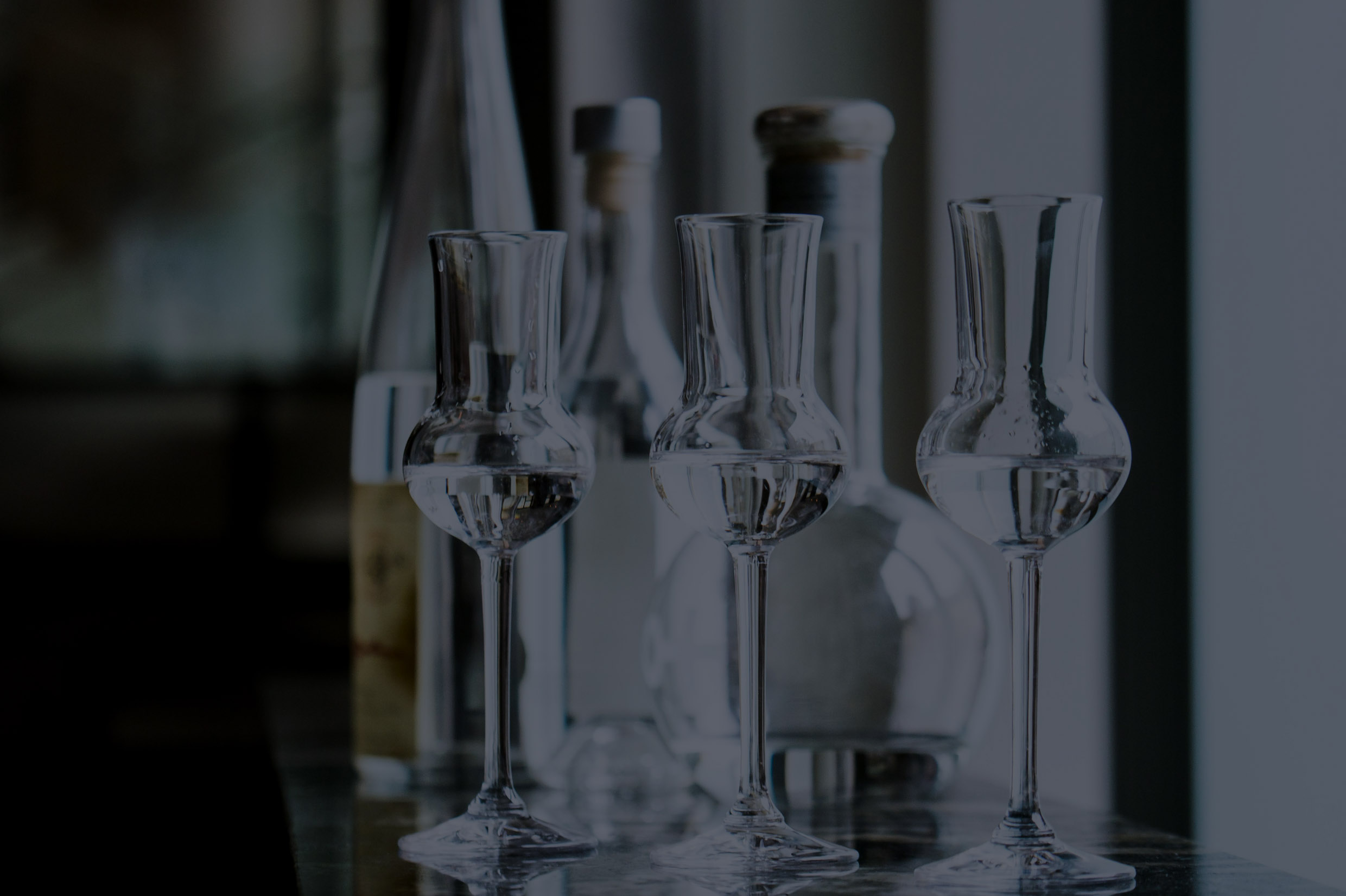
Grappa is a spirit unlike any other in the
world, exclusively Italian, obtained from
the skins of grape berries separated
from the must or wine at the end
of alcoholic fermentation.
Words by Luigi Odello.
This fact unequivocally determines its character, technological history, the difficulty of its production, and therefore its preciousness. Let us begin with the grapes ripening on the vine rows.
As harvest time approaches, the juice inside the berries becomes increasingly rich in sugar thanks to the remarkable synthesis carried out by the vine, using solar energy to combine water drawn from the soil with the carbon dioxide present in the air.
At the same time, aromatic compounds concentrate in the grape skins; although differing in quantity and type according to grape variety and soil and climate conditions, these compounds will provide the distinctive and pleasing organoleptic qualities of the beverages produced from them.
Grappa therefore has the privilege of being made from the most aromatic part of the grape berry, while at the same time bearing the burden of a raw material that is extremely difficult to preserve and equally challenging to distill.
Harvest after harvest, over hundreds of years, Italian researchers, oenologists, and master distillers have investigated and experimented in pursuit of high-quality spirits without ever abandoning the direct distillation of pomace, increasingly convinced that tradition must remain paramount in guiding technological choices.
For this reason, within a small glass of grappa lies an ancient art in constant evolution; an art capable of instantly evoking nature, rural civilisation, the vineyard, and the bubbling of fermenting vats.
And grappa, so difficult and costly to produce, triumphs over time itself by preserving the fragrances of a single harvest for decades, perhaps even centuries.
A glass of grappa is therefore precious for the message carried within its organoleptic profile. Yet, while its intrinsic generosity compels it to offer everyone a wholesome moment of hedonistic pleasure, only a few are truly able to understand it fully by recognising the greatness of the raw material used and the wisdom bestowed upon it by the master distiller.
Among these privileged few are the tasters, professionals in a discipline where perfection is never attained, yet one that, from the very beginning, offers gratification beyond compare.

Luigi Odello
is the President, Centro Studi Assaggiatori – Academic Secretary IASA. Oenologist, journalist, and professor of sensory analysis at Italian and international universities; founder of Odello Associati and Good Senses; president of the Centro Studi Assaggiatori and the International Institute of Coffee Tasters; CEO of Narratori del Gusto, the Istituto Eccellenze Italiane Certificate, and the International Chocolier Institute; academic secretary of the International Academy of Sensory Analysis; member of the board of directors of the National Italian Espresso Institute and the National Grappa Institute; coordinator of the Conference of Academies and of numerous scientific committees; and editor-in-chief of L’Assaggio, Sensory News, Coffee Taster, and Grappa News.
Click here to see Horeca Issue 24 online