
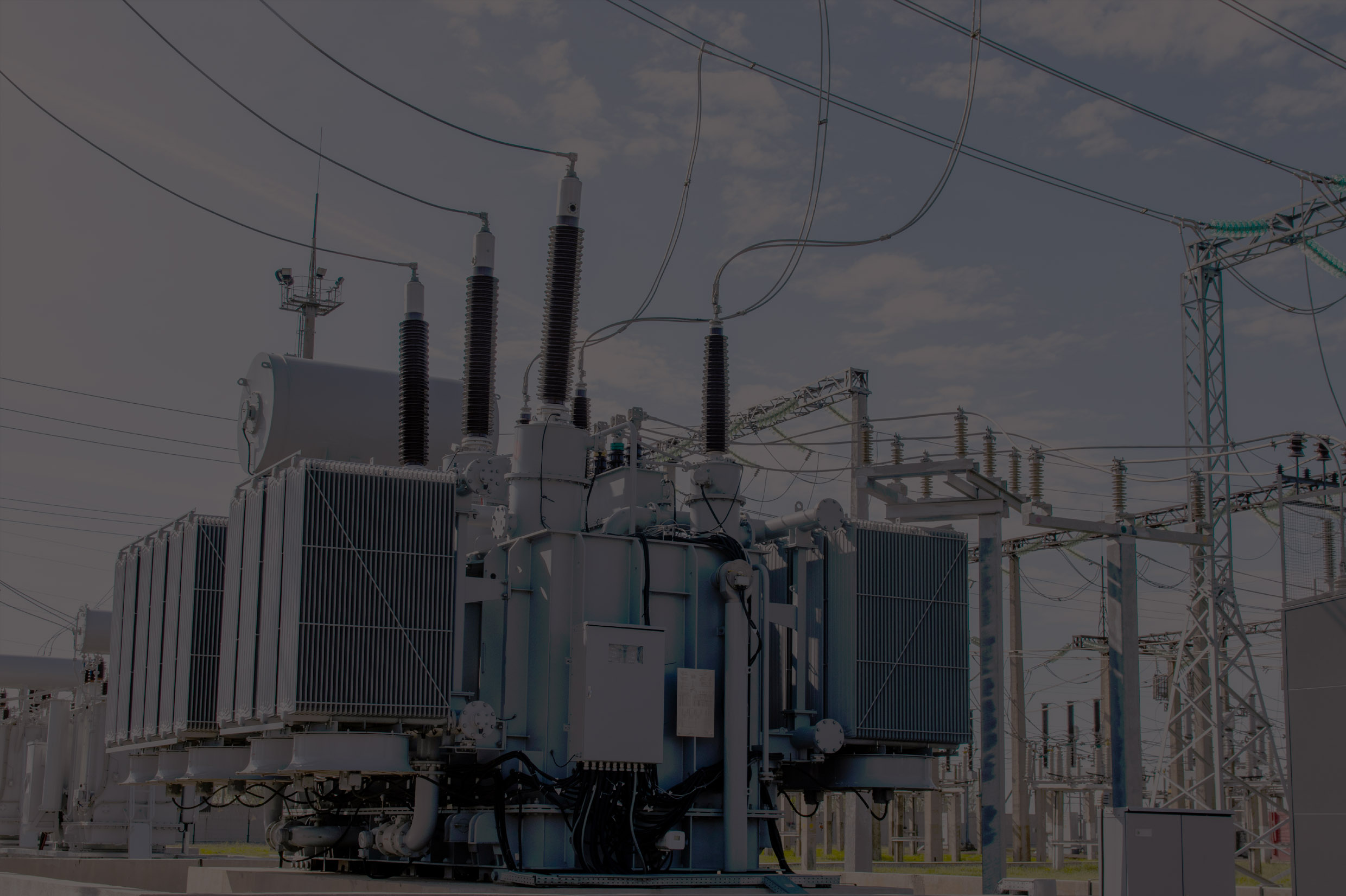
Powering Malta’s Green Future

Should We Prepare for a Black Rabbit Takeover?
December 20, 2025
The Food Safety & Security Authority: A New Chapter for Malta’s Food Future
December 28, 2025Inġ. Ismail D’Amato, Interconnect Malta’s CEO, shares insight about the use of clean energy for a sustainable destination.
Malta’s tourism has long thrived on sunshine, sea and its welcoming charm.
The island’s beauty and prosperity have always depended on one precious resource - energy. From lighting its vibrant streets and fortifications, to keeping hotels cool in summer, reliable electricity powers every heartbeat of the tourism industry.
As the island braces for record visitor numbers and rising energy demands and the world moves towards decarbonisation of electricity and transportation, the question is no longer just how to keep the lights on - it’s how to keep them green.
That’s where Interconnect Malta comes in. The company is driving Malta’s energy transition to cleaner energy through three major national projects: the Second Malta–Italy Interconnector (IC2), the 300 MW Floating Offshore Renewable Energy Project, and the Battery Energy Storage Systems (BESS) at Delimara and Marsa.
Together, they are reshaping Malta’s energy story — from one reliant on fossil fuels to one powered by clean and sustainable energy.
Through these projects, Interconnect Malta is supporting Malta’s growth by providing energy security and promoting decarbonisation across homes, the hospitality sector and ports that define its harbour skyline.
Connecting Malta to Europe’s Energy Lifeline through IC2
Energy security is not merely a technical consideration
but is a crucial pillar to a country’s core economic
strategy.
Doubling Malta’s capacity to the European grid through the second Malta-Italy electricity interconnector (IC2) is key to enhance the national grid’s stability and absorb increases in renewable energy capacity.
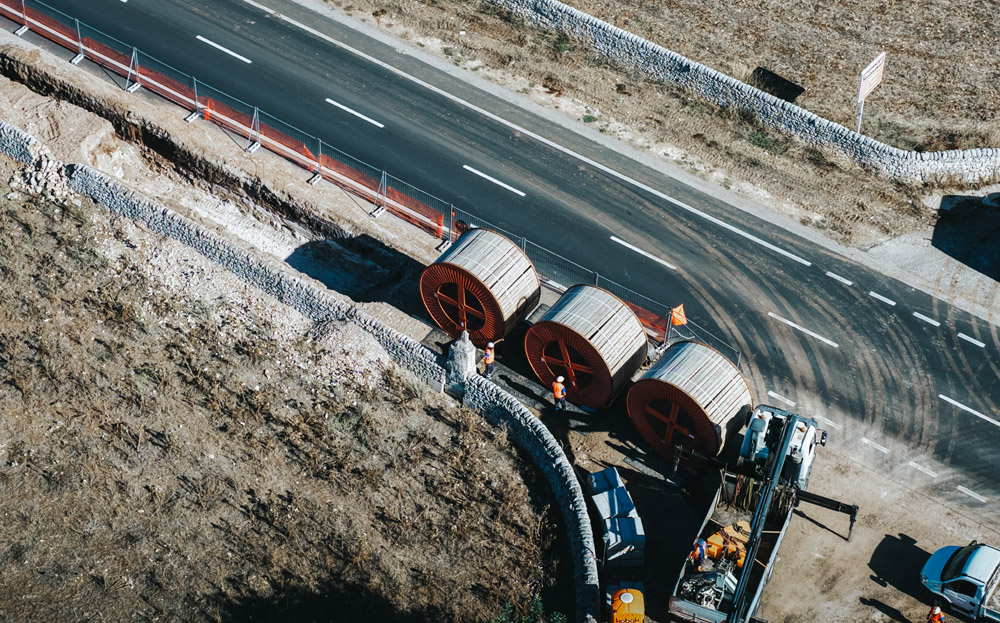
Such initiatives nourish investor confidence, business stability, and household security. The IC2, a 122-kilometre highvoltage alternating current link, of which 99 kilometres are of subsea cable, aims to enhance the electrical system resilience whilst supporting Malta’s transition to a cleaner, secure and more competitive economy.
More than an infrastructure project, IC2 is an investment in confidence — for investors, for households, and for a tourism industry that depends on stability. This €300 million project, of which €165 million is being co-financed by the European Regional Development Funding Programme 2021-2027, anchors Malta to a larger EU energy system and paves the way for more renewable power on the grid.
The blue economy - harnessing the power of the sea
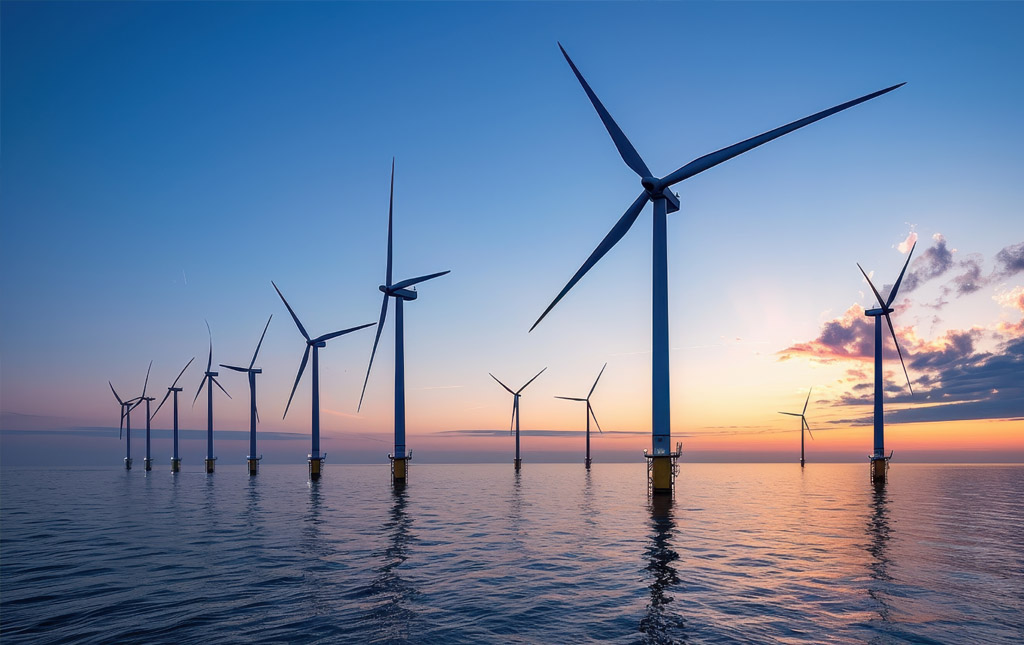
Beyond interconnection, Malta is preparing to harvest energy from its greatest natural asset - the sea. ICM’s Floating Offshore Renewable Energy Project, rated at 300 MW, will capture wind from deep water areas, around 22km off the coast of the Maltese islands using floating technology that minimises visual and environmental impact.
This new generation of offshore clean energy will help Malta cut emissions, reduce fuel imports, and protect the very environment that attracts millions of tourists every year.
Balancing renewable energy
Because wind and sun are variable, and thus renewable energy is intermittent by nature, and given that Malta does not have hydropower to balance such intermittency, Malta also needs ways to store energy.
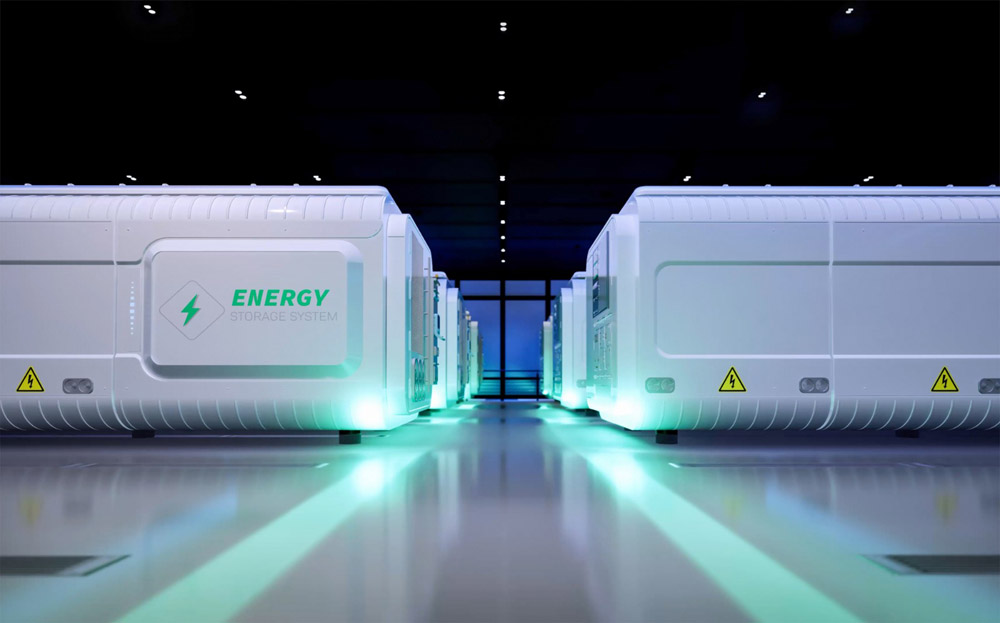
That’s where ICM’s Battery Energy Storage Systems (BESS) fit in this strategy. These 40MW/84MWh large-scale facilities will capture excess energy when renewable energy production is high and feed it back into the grid during high demand periods or when there is unavailability of RES.
This ensures a constant, reliable electricity supply for homes, hotels, and the growing network of electric vehicles - and increasingly, for Malta’s shore-to-ship projects, delivering clean power to the cruise liners that bring thousands of visitors to our shores each year.
Doubling Malta’s capacity to the European grid through the second Malta-Italy electricity interconnector (IC2) is key to enhance the national grid’s stability and absorb increases in renewable energy capacity.
Such initiatives nourish investor confidence, business stability, and household security. The IC2, a 122-kilometre highvoltage alternating current link, of which 99 kilometres are of subsea cable, aims to enhance the electrical system resilience whilst supporting Malta’s transition to a cleaner, secure and more competitive economy.
More than an infrastructure project, IC2 is an investment in confidence — for investors, for households, and for a tourism industry that depends on stability. This €300 million project, of which €165 million is being co-financed by the European Regional Development Funding Programme 2021-2027, anchors Malta to a larger EU energy system and paves the way for more renewable power on the grid.
The blue economy - harnessing the power of the sea
Beyond interconnection, Malta is preparing to harvest energy from its greatest natural asset - the sea. ICM’s Floating Offshore Renewable Energy Project, rated at 300 MW, will capture wind from deep water areas, around 22km off the coast of the Maltese islands using floating technology that minimises visual and environmental impact.
This new generation of offshore clean energy will help Malta cut emissions, reduce fuel imports, and protect the very environment that attracts millions of tourists every year.
Balancing renewable energy
Because wind and sun are variable, and thus renewable energy is intermittent by nature, and given that Malta does not have hydropower to balance such intermittency, Malta also needs ways to store energy.
That’s where ICM’s Battery Energy Storage Systems (BESS) fit in this strategy. These 40MW/84MWh large-scale facilities will capture excess energy when renewable energy production is high and feed it back into the grid during high demand periods or when there is unavailability of RES.
This ensures a constant, reliable electricity supply for homes, hotels, and the growing network of electric vehicles - and increasingly, for Malta’s shore-to-ship projects, delivering clean power to the cruise liners that bring thousands of visitors to our shores each year.
Greening Grand Harbour
The presence of cruise liners in Valletta’s Grand Harbour exemplifies the practical challenges of aligning tourism activity with environmental sustainability.
Through the shore-to-ship infrastructure, cruise ships can now plug directly into the national grid, shutting down their engines and drawing electricity instead, mitigating air emissions. The transformation, however, depends on grid reinforcement.
The surge in power demand from multiple berthed vessels requires the stability and redundancy that projects like IC2 and BESS will ultimately provide. In this way, such energy investment dovetails with local environmental policy – delivering cleaner air for port communities resulting in a quieter, more sustainable tourism experience for visitors.
A greener grid for a greener destination
Energy security and sustainability go hand in hand. Advancing cleaner power and electric mobility means cleaner air, quieter streets, and a stronger reputation for environmental responsibility – key ingredients for a thriving tourism industry.
As more hotels, vehicles, and even cruise ships turn to electricity, Malta’s greener grid will keep them running efficiently while cutting emissions. Malta’s transition to green energy isn’t just an engineering challenge, it's a national transformation.
Projects like the IC2, floating offshore wind, and BESS ensure that the same sun and sea that bring visitors to our shores will also power our future.
By investing in sustainable energy today, Malta is protecting its most valuable asset, its environment, and proving that a cleaner grid means a brighter island for generations to come.

The presence of cruise liners in Valletta’s Grand Harbour exemplifies the practical challenges of aligning tourism activity with environmental sustainability.
Through the shore-to-ship infrastructure, cruise ships can now plug directly into the national grid, shutting down their engines and drawing electricity instead, mitigating air emissions. The transformation, however, depends on grid reinforcement.
The surge in power demand from multiple berthed vessels requires the stability and redundancy that projects like IC2 and BESS will ultimately provide. In this way, such energy investment dovetails with local environmental policy – delivering cleaner air for port communities resulting in a quieter, more sustainable tourism experience for visitors.
A greener grid for a greener destination
Energy security and sustainability go hand in hand. Advancing cleaner power and electric mobility means cleaner air, quieter streets, and a stronger reputation for environmental responsibility – key ingredients for a thriving tourism industry.
As more hotels, vehicles, and even cruise ships turn to electricity, Malta’s greener grid will keep them running efficiently while cutting emissions. Malta’s transition to green energy isn’t just an engineering challenge, it's a national transformation.
Projects like the IC2, floating offshore wind, and BESS ensure that the same sun and sea that bring visitors to our shores will also power our future.
By investing in sustainable energy today, Malta is protecting its most valuable asset, its environment, and proving that a cleaner grid means a brighter island for generations to come.