
Stronger Together

Artificial Intelligence Within the Catering Industry in Malta & Gozo
July 7, 2026
Hospitality Should Be About the Guests … But Is It ?
July 10, 2026Reimagining Mediterranean Tourism by Tony Zahra, MHRA President.
The Mediterranean has always been more than a geographical region. It is a shared civilisation, a crossroads of cultures, and one of the world’s most enduring tourism brands.
From the beaches of Malta and Greece to the historic cities of Egypt, Tunisia and Morocco, the Mediterranean offers an unmatched combination of heritage, climate, cuisine and human warmth. Yet despite these shared strengths, Mediterranean nations have too often marketed themselves in isolation rather than as partners within a common regional experience. Today, the global tourism landscape is changing rapidly.
Competition from emerging destinations in Asia, the Gulf and Latin America is intensifying. Travellers are seeking more authentic, multi-destination experiences, while the hospitality sector faces labour shortages, rising costs and climate pressures reshaping seasonal patterns. In this environment, Mediterranean countries must think less as competitors and more as collaborators.
The Mediterranean should be promoted globally as a unified tourism ecosystem, diverse in character, but connected by history, lifestyle and proximity. A visitor from North America, Asia or Northern Europe does not distinguish between Southern and Northern Mediterranean destinations as governments do. They see a Mediterranean journey: sun, culture, gastronomy, maritime heritage and authentic human interaction.
Our marketing strategies should reflect this reality. There is enormous potential in developing joint Mediterranean tourism initiatives. Instead of individual countries competing against each other in distant markets, tourism boards could co-operate in strategic promotion campaigns.
A collective “Visit the Mediterranean” initiative could showcase multi-country travel routes combining Malta, Sicily, Tunisia, Greece and Egypt into one seamless experience. Cruise tourism already demonstrates how interconnected this travel can be; the same principle extends to aviation partnerships, cultural itineraries and joint participation at international tourism fairs.
The Mediterranean has another major advantage: extraordinary human capital. Countries such as Tunisia, Egypt, Morocco, Algeria and Jordan possess large numbers of talented young people pursuing studies in tourism and hospitality. At the same time, countries like Malta face serious shortages of skilled hospitality personnel. This challenge should not be viewed merely as a labour issue. It is an opportunity for regional partnership and long-term economic integration.
Malta, in particular, has developed a highly respected hospitality industry and educational infrastructure, yet the demand for qualified staff - especially at supervisory and specialist levels - continues to grow. A structured Mediterranean hospitality exchange programme could benefit all sides. Students and young professionals from Southern Mediterranean countries could undertake internships and advanced training placements in Malta and other European destinations; host countries in return would gain access to motivated young talent eager to build careers in the industry.
Such programmes must go beyond seasonal employment. The Mediterranean does not simply require more workers; it requires future department heads, executive chefs, revenue specialists and hotel executives.
By investing in regional training partnerships, Mediterranean countries can create a sustainable talent pipeline. Educational institutions, hotel associations and governments should collaborate to establish common standards, certification frameworks and mobility agreements that facilitate professional recognition across borders.
These exchanges would also strengthen cultural understanding: a hospitality student from Tunisia training in Malta becomes an ambassador of regional connection as much as a professional. The European Union should recognise this strategic value and expand existing educational mobility funding through a dedicated Mediterranean Hospitality Mobility Programme.
Technology and sustainability must also form part of this vision. The future Mediterranean tourism industry cannot rely solely on traditional models of mass tourism. Visitors expect sustainable practices and authentic experiences, while rising temperatures demand co-operation in sustainable planning, water management and coastal protection.
Climate change recognises no political boundaries, and neither should our response to it. Above all, the Mediterranean must rediscover confidence in its collective identity. Few regions in the world possess such a concentration of cultural heritage, natural beauty and tourism expertise within such close geographic proximity. Yet our greatest strength lies not only in our destinations, but in our people.
The future success of Mediterranean tourism will depend on our willingness to collaborate across borders, in marketing, education, sustainability and workforce development. Malta, positioned at the heart of the Mediterranean, is uniquely placed to play a leading role in this vision. Its hospitality industry, educational institutions and strategic location make it a natural bridge between Europe and the Southern Mediterranean.
The Mediterranean has always connected continents, cultures and civilisations. It can now become a model for regional tourism co-operation. One that promotes shared prosperity, develops future talent and strengthens economic and cultural ties across the region.
In a world that is becoming increasingly fragmented, the Mediterranean tourism industry has an opportunity to demonstrate the power of partnership. If we work together, we will not only strengthen our individual destinations; we will elevate the Mediterranean itself into one of the world’s most compelling and united tourism experiences.
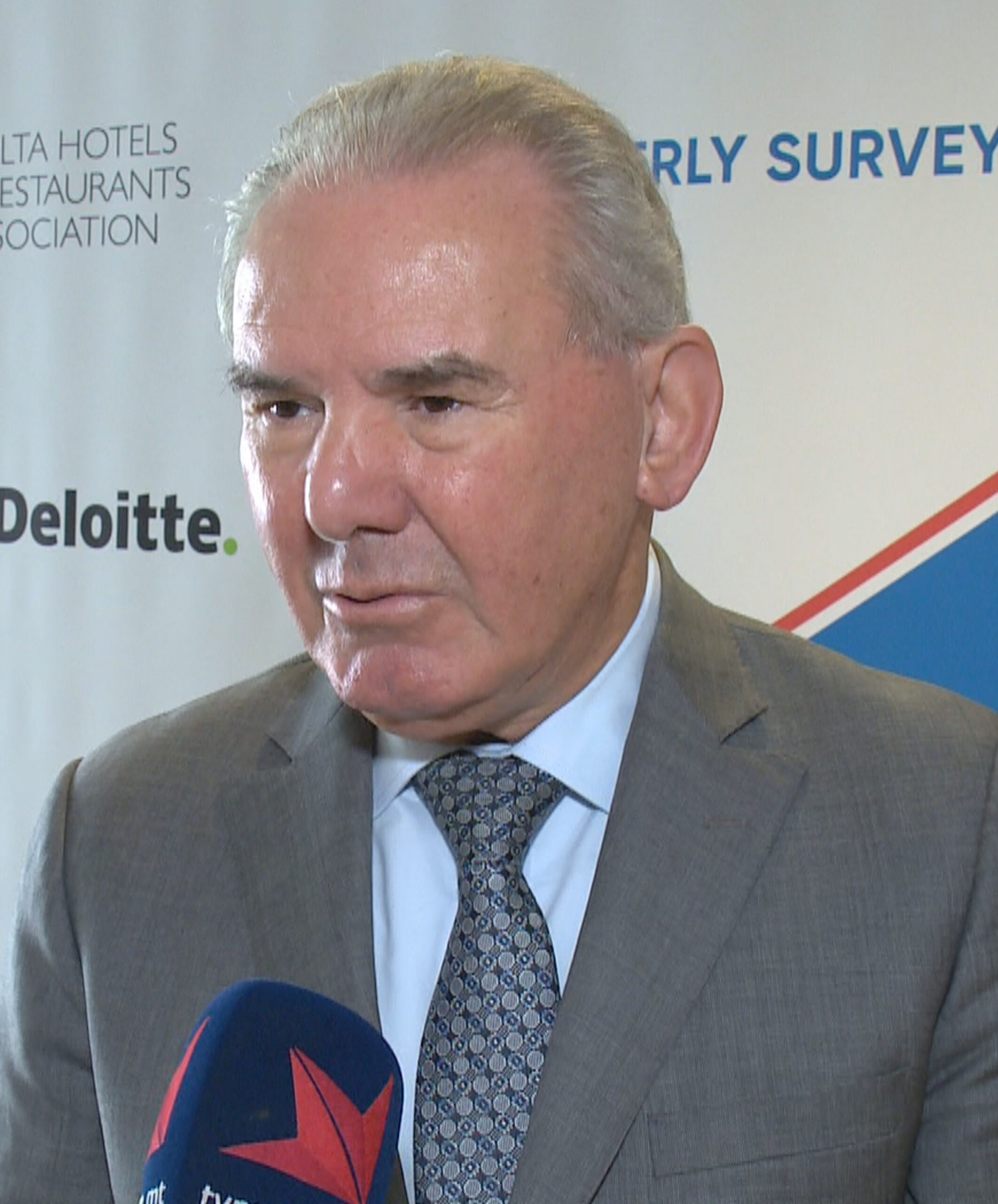
As the major Association in the tourism sector, the MHRA represents the interests of its members on several important national policy making bodies, including the board of the Malta Tourism Authority and all its directorates, the Institute of Tourism Studies and the Malta Council for Economic and Social Development.
For more information visit https://mhra.org.mt
Click here to see Horeca Issue 24 online