
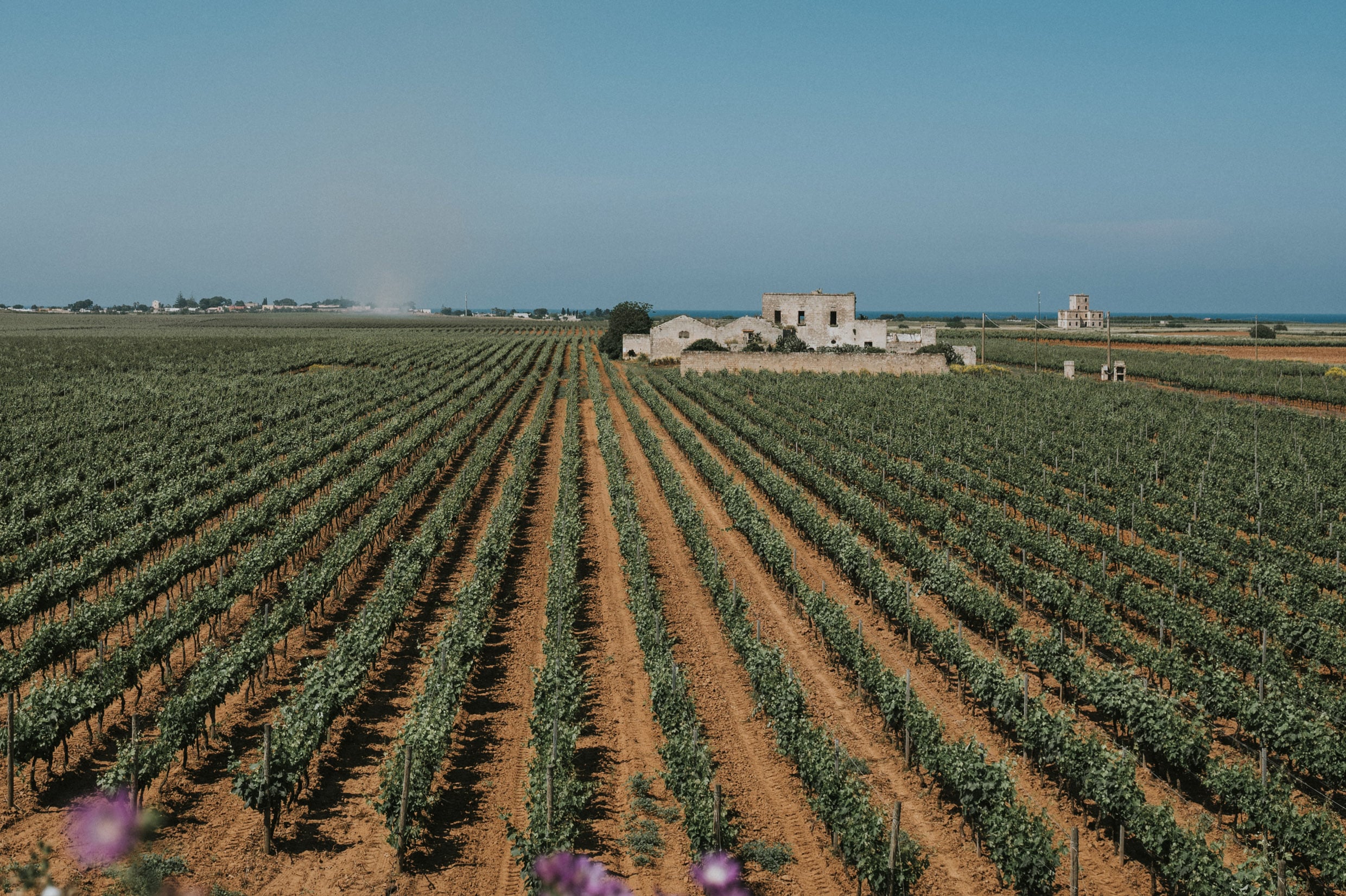
Susumaniello: The Renaissance of Puglia’s Forgotten Grape

From Ftira to Franchises: Can Malta Stay Maltese in a Global Dining Era?
August 9, 2026
What Malta’s Busiest Restaurants Understand That Others Don’t
August 13, 2026There are grape varieties that make wine. And then there are grape varieties that tell stories. Susumaniello belongs to the second category.
For decades, this ancient red grape from
the province of Brindisi, in southern Puglia, was almost
forgotten. Old growers still remembered it, but few
believed it could have a future in modern wine culture.
It produced abundant yields when young, sometimes
too abundant, and in an era obsessed with quantity,
Susumaniello slowly disappeared from the vineyards of
Salento.
By the early 1990s, many old vines had already been uprooted. What remained was memory.
Yet today, Susumaniello has become one of the most fascinating rediscoveries in Italian wine. Sommeliers speak about it with curiosity, wine lovers search for it in restaurants from Tokyo to New York, and a new generation of producers sees in it something profoundly Mediterranean: identity, resilience and authenticity.
Its story begins on the Adriatic coast of Puglia, in the ancient lands surrounding Brindisi, where vineyards have existed since Roman times. In the Jaddico estate, north of the city, archaeological excavations uncovered remains of ancient wineries and amphora kilns used to export wine across the Roman Empire. Wine has always belonged to this land. And so has Susumaniello.
The grape’s unusual name probably derives from the dialect word for “little donkey”, a reference to the enormous quantity of grapes the young vines were capable of carrying.
But hidden behind this rustic reputation was something extraordinary: deep colour, vibrant acidity, elegant tannins and an unmistakable aromatic profile marked by black fruits, Mediterranean herbs, spices and balsamic notes. The challenge was understanding the grape differently.
Luigi Rubino was among the first to believe that Susumaniello deserved a second life. Rather than chasing production volume, he focused on vineyard selection, lower yields and careful viticulture across the estates of Jaddico, Uggìo-Punta Aquila and other historic sites in Salento.
Old bush-trained vines — the traditional alberello system of Puglia — became central to this recovery project, preserving an agricultural heritage that had survived for centuries under the harsh sun and sea winds of southern Italy.The result was surprising.
Susumaniello revealed itself to be both powerful and refined. A wine capable of structure and elegance at the same time. A grape equally suited for intense reds, vibrant rosés and even sparkling wines with remarkable freshness.But perhaps what makes Susumaniello so captivating is not only its taste. It is its sense of place.
This is a wine born between two seas, shaped by limestone soils, Adriatic winds and endless Mediterranean light. It carries the flavours of southern Puglia in the same way Malta’s cuisine carries the identity of the island: honest, generous and deeply connected to history.
In fact, Susumaniello finds a surprisingly natural harmony with one of Malta’s most beloved traditional dishes — Stuffat tal-Fenek.
The grape’s freshness and spice cut beautifully through the richness of the dish, while its Mediterranean character mirrors the aromatic herbs and rustic intensity of Maltese cooking. It feels less like a pairing and more like a conversation between two shores of the same sea.
Today, Susumaniello stands as a symbol of a broader movement happening across southern Italy: the rediscovery of native grapes once considered obsolete, but now recognised as treasures of biodiversity and culture.
In an increasingly globalised wine world, authenticity has become rare. Consumers are no longer searching only for perfection; they are searching for identity, roots and stories worth remembering.
Susumaniello offers exactly that. It is not merely a rediscovered grape. It is the voice of a forgotten Mediterranean soul, finally being heard again.
By the early 1990s, many old vines had already been uprooted. What remained was memory.
Yet today, Susumaniello has become one of the most fascinating rediscoveries in Italian wine. Sommeliers speak about it with curiosity, wine lovers search for it in restaurants from Tokyo to New York, and a new generation of producers sees in it something profoundly Mediterranean: identity, resilience and authenticity.
Its story begins on the Adriatic coast of Puglia, in the ancient lands surrounding Brindisi, where vineyards have existed since Roman times. In the Jaddico estate, north of the city, archaeological excavations uncovered remains of ancient wineries and amphora kilns used to export wine across the Roman Empire. Wine has always belonged to this land. And so has Susumaniello.
The grape’s unusual name probably derives from the dialect word for “little donkey”, a reference to the enormous quantity of grapes the young vines were capable of carrying.
But hidden behind this rustic reputation was something extraordinary: deep colour, vibrant acidity, elegant tannins and an unmistakable aromatic profile marked by black fruits, Mediterranean herbs, spices and balsamic notes. The challenge was understanding the grape differently.
Luigi Rubino was among the first to believe that Susumaniello deserved a second life. Rather than chasing production volume, he focused on vineyard selection, lower yields and careful viticulture across the estates of Jaddico, Uggìo-Punta Aquila and other historic sites in Salento.
Old bush-trained vines — the traditional alberello system of Puglia — became central to this recovery project, preserving an agricultural heritage that had survived for centuries under the harsh sun and sea winds of southern Italy.The result was surprising.
Susumaniello revealed itself to be both powerful and refined. A wine capable of structure and elegance at the same time. A grape equally suited for intense reds, vibrant rosés and even sparkling wines with remarkable freshness.But perhaps what makes Susumaniello so captivating is not only its taste. It is its sense of place.
This is a wine born between two seas, shaped by limestone soils, Adriatic winds and endless Mediterranean light. It carries the flavours of southern Puglia in the same way Malta’s cuisine carries the identity of the island: honest, generous and deeply connected to history.
In fact, Susumaniello finds a surprisingly natural harmony with one of Malta’s most beloved traditional dishes — Stuffat tal-Fenek.
The grape’s freshness and spice cut beautifully through the richness of the dish, while its Mediterranean character mirrors the aromatic herbs and rustic intensity of Maltese cooking. It feels less like a pairing and more like a conversation between two shores of the same sea.
Today, Susumaniello stands as a symbol of a broader movement happening across southern Italy: the rediscovery of native grapes once considered obsolete, but now recognised as treasures of biodiversity and culture.
In an increasingly globalised wine world, authenticity has become rare. Consumers are no longer searching only for perfection; they are searching for identity, roots and stories worth remembering.
Susumaniello offers exactly that. It is not merely a rediscovered grape. It is the voice of a forgotten Mediterranean soul, finally being heard again.

Article written by Luigi Rubino
Luigi is an Italian winemaker who spearheaded the modern revival of Susumaniello, a rare and indigenous red grape native to the Salento peninsula in Puglia.
Click here to see Horeca Issue 24 online