From Ftira to Franchises: Can Malta Stay Maltese in a Global Dining Era?

The Novelty of Old
August 9, 2026
Susumaniello: The Renaissance of Puglia’s Forgotten Grape
August 12, 2026Denis Jin Young L explores Malta’s growing hospitality paradox: while international restaurant brands and luxury concepts bring investment and global appeal, the country risks diluting the distinct culinary identity and authenticity that have made its Michelin-recognised local dining scene internationally respected
Malta has a delicious hospitality dilemma most countries would kill for: it is becoming successful enough to risk becoming somebody else.
Seven Michelin-starred restaurants. One with two stars. A population of just over half a million that places Malta comfortably among the top countries in the world for Michelin stars per capita. The inspectors came, they ate, they came back, and they awarded us stars. That is not nothing.
Michelin's arrival in 2020 changed the conversation permanently. ION Harbour by Simon Rogan, the De Mondion, Rosami at the Villa and others established that Malta's strongest culinary voice is built on identity rather than imitation: local ingredients, Mediterranean memory, and chefs with something personal to say and the technique to say it properly.
And yet. While Michelin rewards personality, the wider Maltese hospitality scene is quietly, enthusiastically, and somewhat expensively moving in the other direction. International concepts are arriving in growing numbers: global restaurant brands, luxury beach clubs, franchise dining, and imported nightlife formulas.
Experiences that could just as easily exist in Dubai, Mykonos or Ibiza, any location where the playlist costs more than the food and the sun loungers require a credit check.
Brands like All'Antico Vinaio and Bagatelle bring investment, recognition, social media oxygen, and a quality of aspiration that Malta has always understood very well. Global concepts sell a lifestyle before they sell food, and they do it effectively.
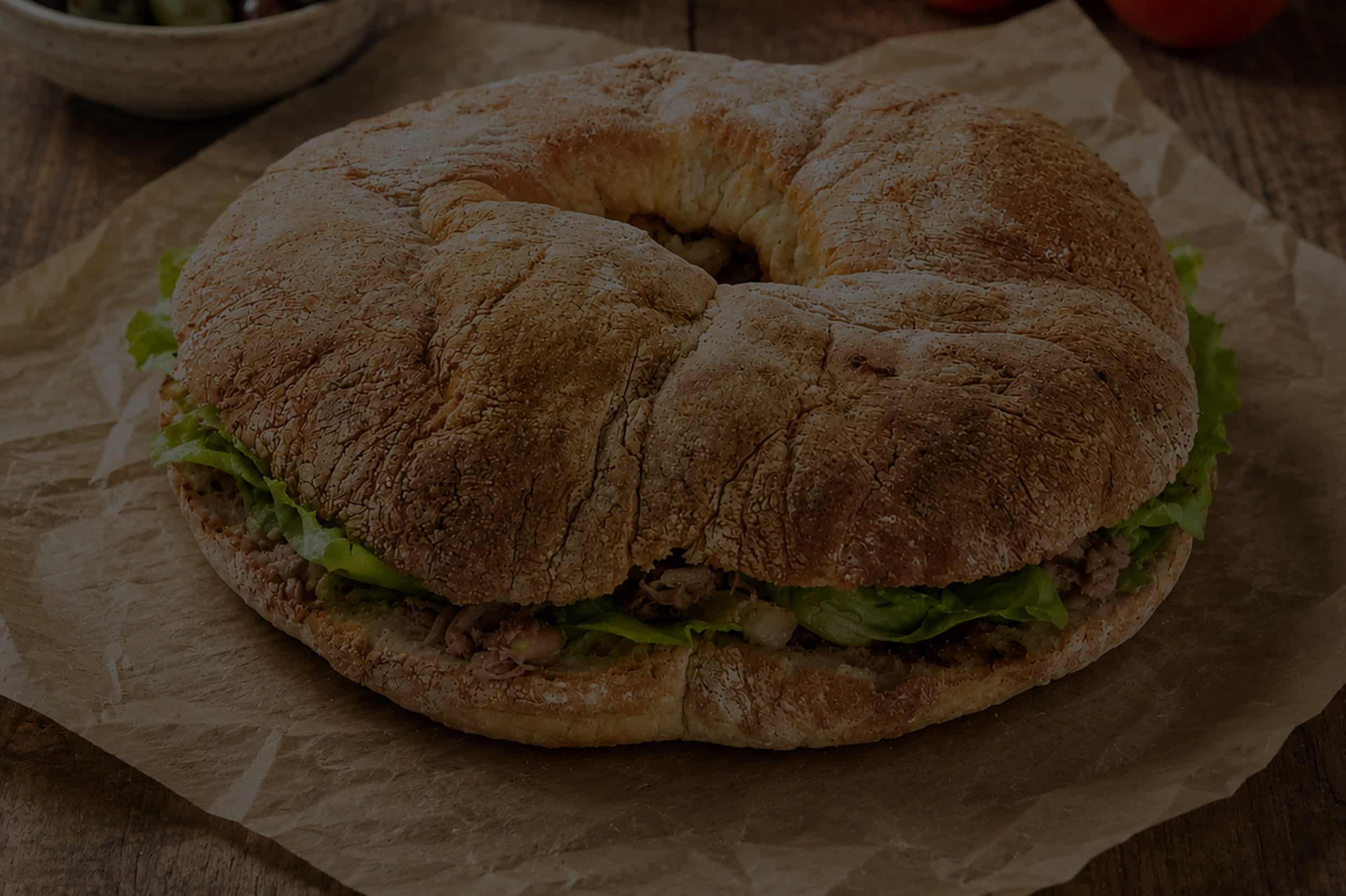
Nobody is queuing for a famous schiacciata because Malta has a bread shortage. Il-Mahzen, in Mdina has been doing it for the past eighteen months without the Florentine mythology attached. We are not an island urgently requiring another reason to eat something delicious between two pieces of dough.
People queue because the brand means something. It says: “I have tried what people in Florence, New York and Dubai are trying.” For younger Maltese customers raised on travel, TikTok and relentless international comparison, that is proof that Malta is part of the global conversation.
or tourists, the appeal is simpler still. Not every visitor lands at Luqa with a poetic desire to discover ġbejna, bigilla, lampuki, snails and rabbit before finding their hotel room. Some arrive tired, sunburnt, accompanied by small children, and emotionally unequipped to debate whether aljotta qualifies as "a soup" or "a cultural experience." For them, a recognisable brand is not a cultural failure. It is relief.
Call them the comfort tourist: families, short-stay visitors, cruise passengers, luxury party tourists who want Malta, but with a safety net, air-conditioning and a menu they have already seen on Instagram.
The experience traveller, on the other hand, is looking for something that genuinely cannot be found anywhere else: local wine, a family-run restaurant, ftira done the right way. Fish explained by the waiter with a suspicious intensity that suggests the fish was personally introduced to him that morning. A chef who treats Maltese food not as colourful folklore but as serious culinary material with something worth saying.
For this guest, authenticity is not rustic. Authenticity is the luxury.
Michelin has already demonstrated that culinary identity carries real commercial value. The guide awards stars to kitchens with consistency, technique, strong ingredients, harmony and, above all, personality.
Many of the international concepts arriving in Malta are designed, by nature, to reduce that kind of personality, because consistency at scale requires it. A franchise succeeds when the experience is recognisable and repeatable everywhere it operates. The sandwich tastes like the sandwich. The beach club feels like the beach club. The playlist knows exactly when to become expensive.
The real concern is not the arrival of international operators. Competition raises standards, investment improves infrastructure, and global brands often bring training discipline and operational rigour that the local industry can genuinely learn from. The danger is sameness.
When every menu starts to look like every other menu. When every "Mediterranean sharing concept" arrives at the table with crudo, burrata, truffle, premium cocktails and a bill requiring emotional support, a destination starts to lose the specific qualities that made it worth visiting.
The contradiction is that locals lament the dilution of identity while financially supporting the very concepts that accelerate it. Tourists say they want authenticity while gravitating toward the familiar. This is less a contradiction than a fairly accurate description of how hospitality has always worked.
The answer is not to keep international concepts out. Let them come. A mature market has room for All'Antico Vinaio and ftira, Bagatelle and bigilla, imported nightlife and a Gozitan chef quietly building the island's next serious culinary destination.
Achieving that balance, though, will require deliberate effort, and it will not happen by wishful thinking at industry conferences.
If every prime site becomes a copy-paste international format, Malta loses. If local producers are treated as decorative rather than central, Malta loses. And if young Maltese chefs are steered toward well-paid roles inside imported brands rather than supported to develop their own voices, their own restaurants, their own conversations, the next push becomes not harder but unlikely.
The Michelin story matters here because it proves that being distinctly Maltese is not an obstacle to international credibility. For the restaurants that have earned stars, it has been the foundation of it.
The franchises will keep coming. The beach clubs will sparkle magnificently. The sandwiches will continue to be photographed at length before anyone is permitted to eat them, as the law now apparently requires.
But the real prize, the one worth working toward is simpler and harder than any of it.
Make sure that when people dine in Malta, the experience feels unmistakenly Maltese.

Denis Jin Young L.
Denis Jin Young L., a seasoned consultant in the hospitality sector with over three decades of experience, has called Malta his home for over eight years. Presently, he is the Director of Hospitality at the Xara Collection, which includes a variety of establishments such as the Villa Barumbara tal-Laring, the Xara Palace Hotel, Relais & Châteaux, Xara Catering, the Xara Lodge, Oka’s at the Villa, Medina restaurant, Trattoria 1530 AD, the de Mondion restaurant, Rosami at the Villa and the Xara Gardens.
Click here to see Horeca Issue 24 online