
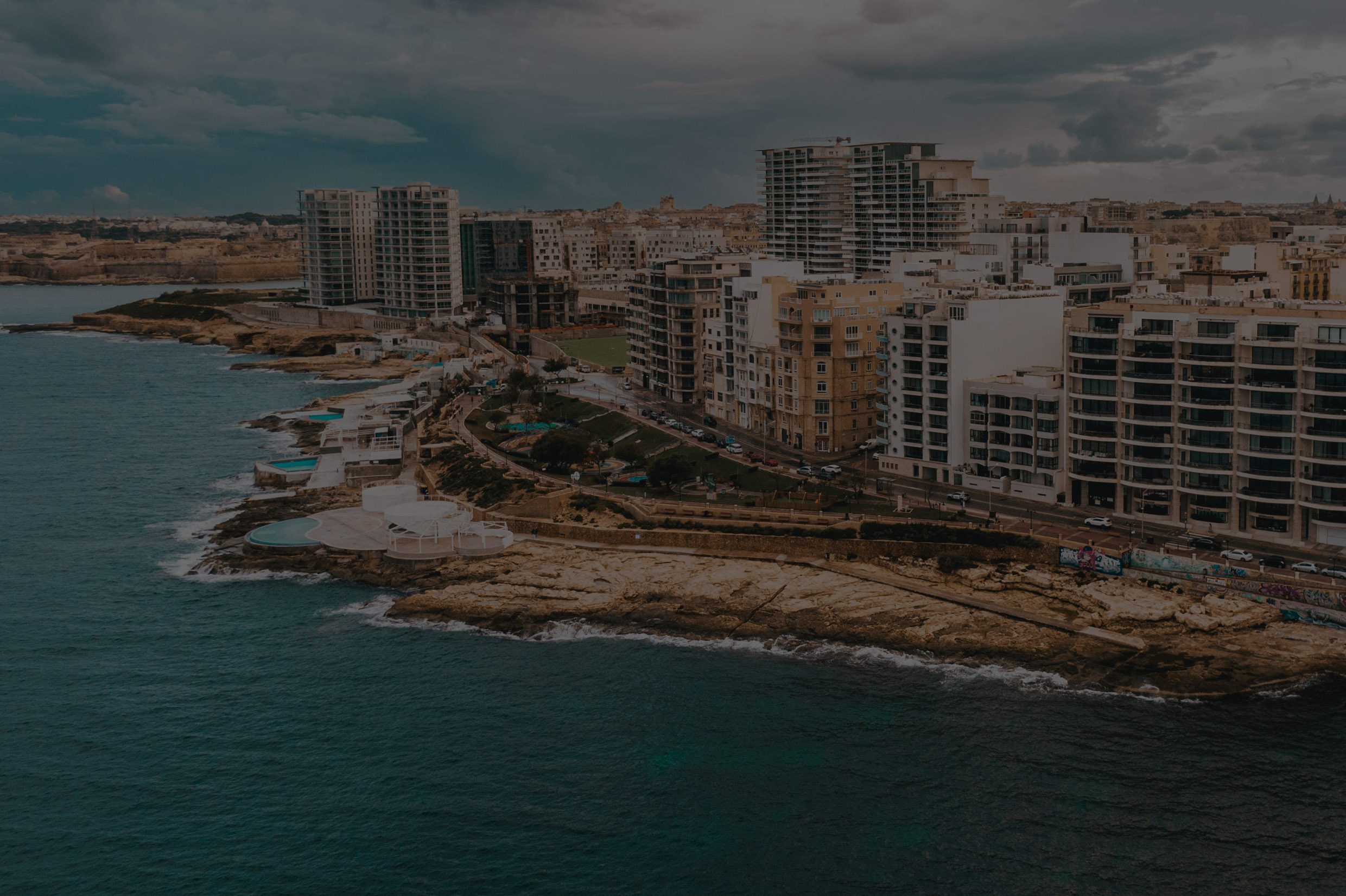
Rising Above Risk

Horeca Wine Reviews
May 30, 2026
Elevating Malta’s Tourism
June 5, 2026
Safety strategies for Coastal & High Rise Hospitality Properties.
Article written by Tony Zahra, President of the Malta Hotels Restaurants Association.
In today’s hospitality industry, guest experience extends beyond comfort, service and luxury to include safety, preparedness and trust. For hotels, resorts and mixed-use hospitality developments located in coastal regions or housed in buildings exceeding ten storeys, the responsibility is even greater. These properties face a combination of environmental threats and operational risks that require careful planning, resilient design and well-trained staff to ensure the safety of guests and employees alike.
Coastal locations are particularly vulnerable to extreme weather events such as cyclones, storm surges, high winds and flooding. In this context, early warning systems and effective communication play a critical role. Hospitality operators must ensure that reliable weather alerts are monitored continuously and that information is communicated to guests in a calm and professional manner. Front desk teams, concierge services and digital communication platforms should be aligned to provide clear guidance on shelter areas, evacuation routes and emergency procedures. In-room safety information and public address systems further support timely and consistent messaging during adverse conditions.
The physical resilience of hospitality buildings is equally important. Structures should be designed and maintained to withstand coastal weather, including reinforced windows, secured rooftop installations and storm-rated balcony fittings. Outdoor furniture, poolside equipment, signage and decorative features should be easily removable or securely anchored when high-wind warnings are issued to prevent injury or property damage.
Flood preparedness is especially critical in low-lying areas where basements and service zones often house essential systems such as kitchens, laundry facilities and power infrastructure. Effective drainage systems, water pumps and the elevation of electrical panels and backup generators above potential flood levels can significantly reduce operational disruption and safety risks.
Fire safety presents one of the most serious challenges in high-rise hospitality buildings, where large numbers of guests may be unfamiliar with the layout of the property. Early detection and rapid response are essential. Smoke and heat sensors, automated alarm systems and direct links to local emergency services help ensure that incidents are identified and addressed without delay. Firefighting equipment, including extinguishers and hose reels, should be available on every floor and regularly inspected to maintain full operational readiness.
Clear and accessible evacuation routes are vital in tall buildings. Emergency stairwells must remain unobstructed, well lit and protected by fire-resistant doors to limit the spread of smoke and flames. Multilingual signage and illuminated floor plans in corridors and common areas can help reduce confusion and panic among guests during emergencies. Elevators should be programmed to shut down automatically in the event of a fire, directing occupants towards designated stairwells for safe evacuation.
The choice of construction and interior materials also plays a significant role in reducing fire risk. The use of non-combustible cladding, flame-retardant furnishings and properly insulated electrical systems can slow the spread of fire and smoke, providing valuable time for evacuation and emergency response. Areas with higher risk, such as commercial kitchens, laundry rooms and mechanical spaces, should be equipped with specialised fire suppression systems and monitored closely.
Beyond weather- and fire-related threats, highrise hospitality properties must also prepare for everyday operational hazards such as power failures, gas leaks and mechanical breakdowns. Backup power systems are essential to support emergency lighting, communication networks, fire safety systems and critical building operations during outages.
Regular inspections of gas lines, kitchen equipment and mechanical infrastructure, combined with automated shut-off systems, help reduce the likelihood of dangerous incidents. The effectiveness of any safety system ultimately depends on the people who operate it.
Ongoing training and regular emergency drills ensure that staff across all departments, from front office and housekeeping to food and beverage and security, understand their roles during a crisis.
Special attention should be given to assisting vulnerable guests, including children, elderly individuals and those with disabilities, to ensure that evacuations are conducted safely, calmly and inclusively.
In the hospitality industry, safety is more than a regulatory obligation; it is a reflection of a brand’s commitment to care and responsibility. By investing in resilient infrastructure, advanced safety technology and continuous staff development, hotels and resorts can build environments where guests feel secure and confident, even in uncertain conditions.
As climate-related risks and urban challenges continue to evolve, the properties that prioritise preparedness and proactive risk management will be best positioned to earn lasting trust and loyalty from their guests.
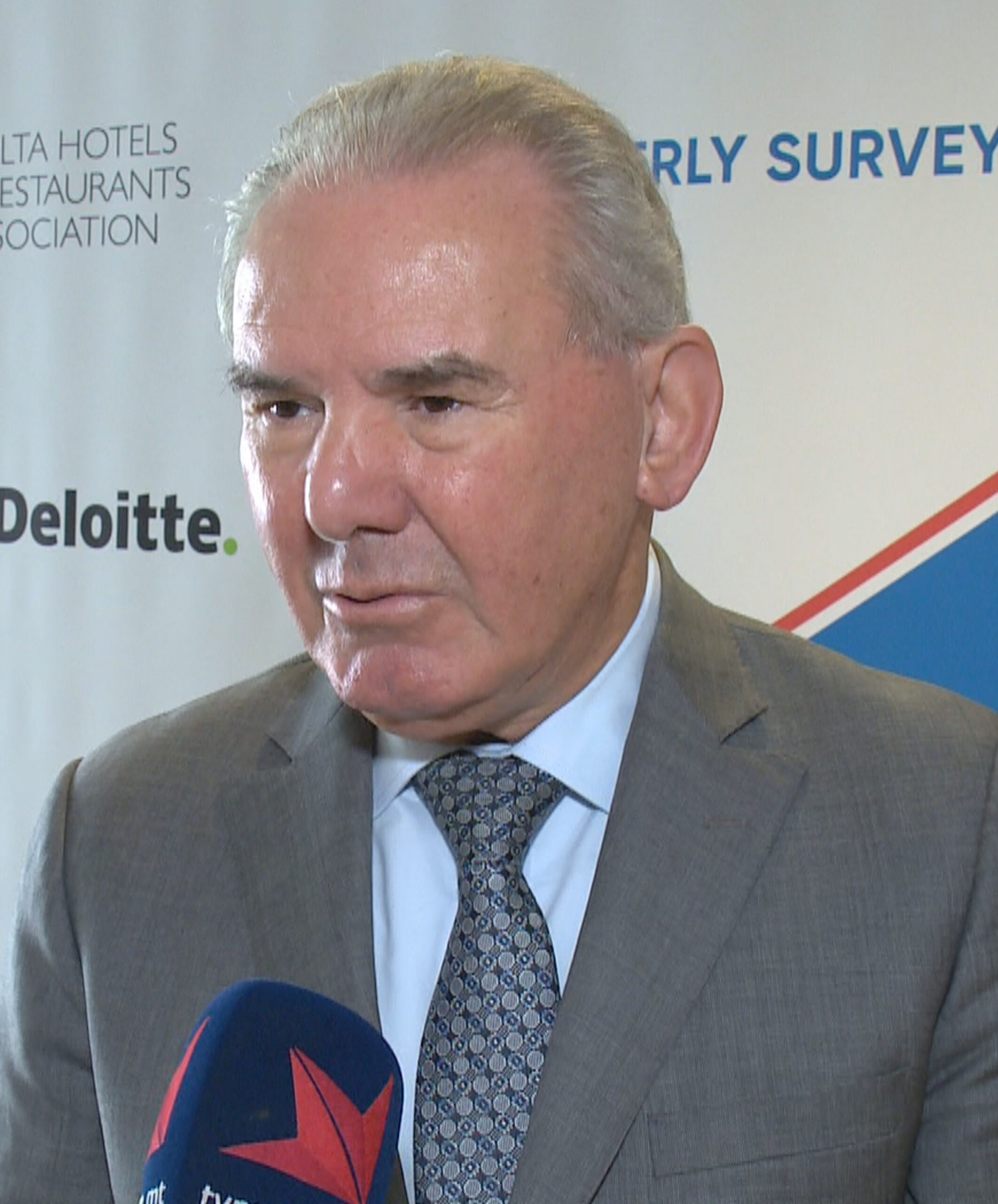
As the major Association in the tourism sector, the MHRA represents the interests of its members on several important national policy making bodies, including the board of the Malta Tourism Authority and all its directorates, the Institute of Tourism Studies and the Malta Council for Economic and Social Development.
For more information visit https://mhra.org.mt
Click here to see Horeca Issue 23 online