The Novelty of Old

A Passion for the Finer Things
August 4, 2026
From Ftira to Franchises: Can Malta Stay Maltese in a Global Dining Era?
August 9, 2026Article by Joséf Bonello - Brand Ambassador for Wines of Malta & Gozo.
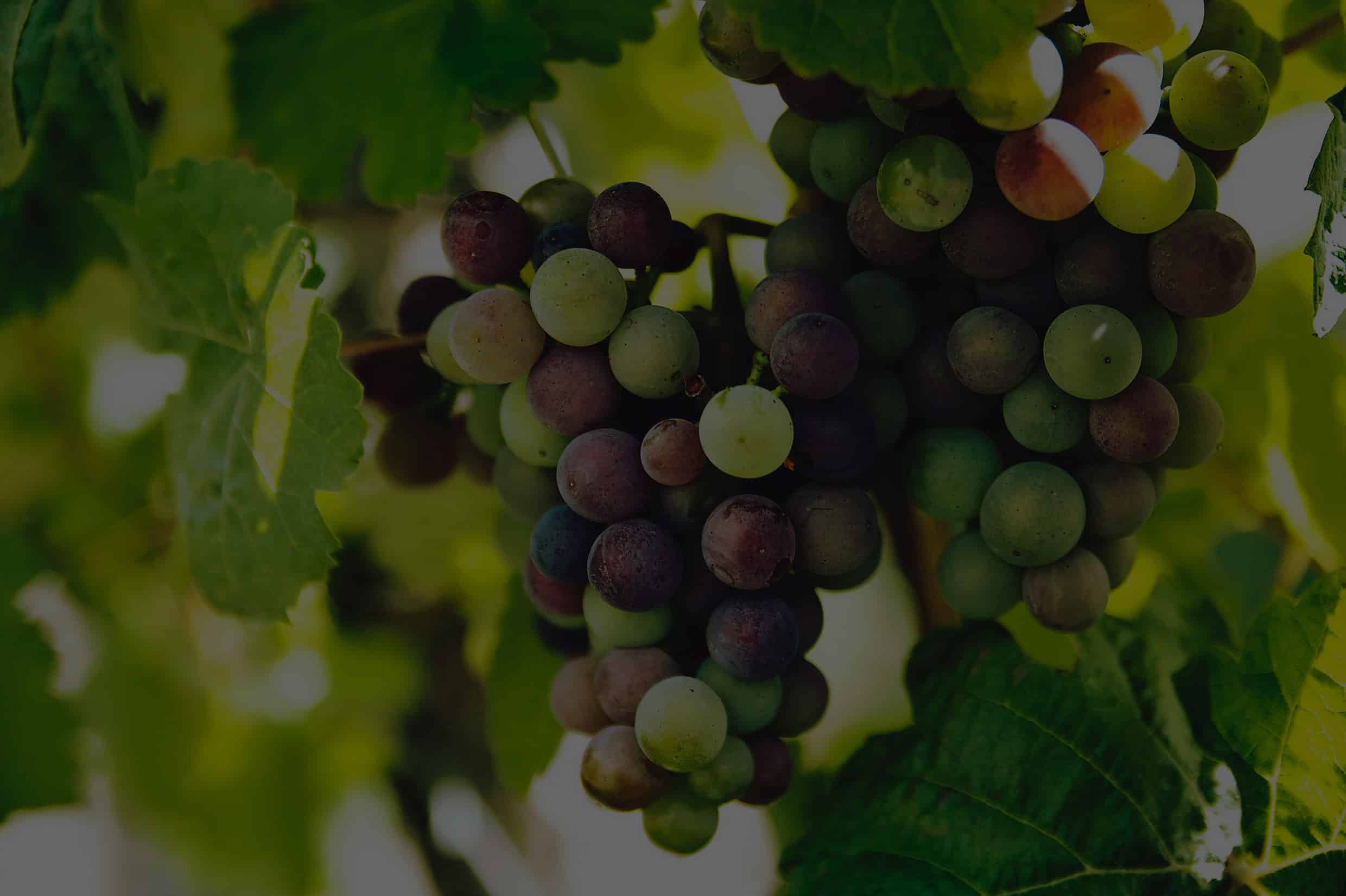
The rediscovery of indigenous grape varieties in Malta and Gozo is one of the most exciting developments our wine sector has witnessed in years. It is a story that combines history, science, patience and possibility; all elements that have always formed part of our islands’ relationship with wine.
Recent work being carried out by the National Viticulture & Oenology Centre at Buskett has identified a number of indigenous grape varieties which had, over time, largely disappeared from mainstream viticulture. Some survived quietly in old fields, forgotten vineyards or isolated plots, often tended by families who may not even have realised the potential importance of what they were preserving.
Today, these vines are being studied and protected with great care. One of the most fascinating parts of this process is that selected material is currently undergoing microbiological ‘cleansing’ at the Plant Biotechnology Centre in Lija. Over decades and sometimes centuries, vines naturally accumulate viruses and diseases which weaken the plant and affect quality.
Through highly specialised scientific techniques, researchers are now working to produce clean and cure healthy plant material that can eventually be micro-propagated for future vineyard development.
This may sound highly technical, but at its heart it is something beautifully simple: preserving part of Malta and Gozo’s living viticultural identity.
For a small wine-producing country such as ours, authenticity is crucial. We cannot compete through volume, nor should we try to. Our strength lies elsewhere, in character, rarity, history and distinctiveness.
Indigenous varieties represent precisely that. They are not imported concepts. They are part of our own agricultural memory and Mediterranean DNA.
Of course, most people are already familiar with our two principal indigenous varieties, Ġellewża and Girgentina, both of which have become important ambassadors for Maltese wine. Yet what is now emerging goes even further. Among the varieties being studied are Miġnuna, Beżżul Abjad, Insolja Bajda, Insolja Sewda, Marsusa and Berquqa, names that sound almost poetic in themselves and which immediately evoke a strong sense of place, history and identity.
At this stage, much remains to be learnt about their full viticultural and oenological potential, but their rediscovery alone is already significant
What makes this even more interesting is that Malta and Gozo have, for centuries, stood at the crossroads of the Mediterranean. Phoenicians, Romans, Arabs, Knights, merchants and travellers all passed through these islands, bringing with them ideas, techniques and agricultural influence.
Our climate, with its intense sunlight, maritime influence, limestone-rich soils and long growing seasons, has created conditions where many different varieties adapted and evolved over time. They were brought here, loved it, and stayed to thrive.
Perhaps this explains another oft overlooked reality about Maltese wine: the extraordinary versatility of our terroir. Today, more than 30 grape varieties form part of the DOK protocols of our islands. For such a geographically small territory, this is remarkable.
It reflects generations of accumulated knowledge by growers and winemakers who learnt, through experience, observation and experimentation, how different varieties respond to different exposures, soils and microclimates. It is also proof that Malta and Gozo should never be viewed simply through the lens of size. Smallness has its advantages and has a knack of encouraging focus, precision and individuality.
The rediscovery of indigenous grapes therefore arrives at the perfect time. Around the world, wine lovers are increasingly searching for authenticity and uniqueness. Consumers are becoming curious about lesser-known varieties and wines with genuine stories behind them. In many ways, the international wine world is moving closer towards what Malta and Gozo naturally offer.
Of course, this remains a long-term process. Research, cleaning, propagation and eventual vineyard development require patience and investment. Not every variety may prove commercially viable, and some may remain more historically interesting than economically practical. Yet even this forms part of the beauty of discovery.
Wine so often rewards patience.
What matters most now is that Malta and Gozo are continuing to deepen their understanding of their own viticultural identity. The work being carried out at Buskett and Lija is not simply scientific research. It is the safeguarding of heritage and the opening of new possibilities for future generations of wines of Malta and Gozo.
And perhaps that is the most exciting part of all: the idea that some of the wines which may one day define the future of Malta and Gozo could, in fact, come from vines whose roots have quietly existed here for centuries.

Josef Bonello
Anointed by the god Bacchus himself as one of his most loyal prophets, Joséf was entrusted with the sacred mission of bringing wine to people very early on in his adult life. Spreading his mantra that age improves with wine, he has now been delivering the good news for almost three decades, saving many a poor soul from being lost to meagre pleasures of other earthly potions by helping them see the light eternal, as seen through a gleaming goblet of wine of the finest.
Click here to see Horeca Issue 24 online