The Organic Opportunity

Malta International Fireworks Festival Celebrates 25th Anniversary with Global Live Concert
June 30, 2026
VisitMalta Receives Two Major International Awards
July 1, 2026
The discussions around organic food in
hospitality have shifted.
It is rapidly becoming
an essential part of the tourism experience,
driven by growing consumer awareness of
health, sustainability, and environmental
responsibility.
No longer confined to niche health cafés or eco-resorts, organic food has moved into the mainstream. For Malta and Gozo's hospitality sector, this presents both a challenge and an opportunity.
Industry surveys consistently indicate that organic consumption will continue to grow. Inflation and global uncertainty may be slowing the pace in some markets, but the underlying drivers, concerns about health, food quality, and environmental impact, remain strong. The question is no longer whether organic matters; it is how our industry chooses to respond
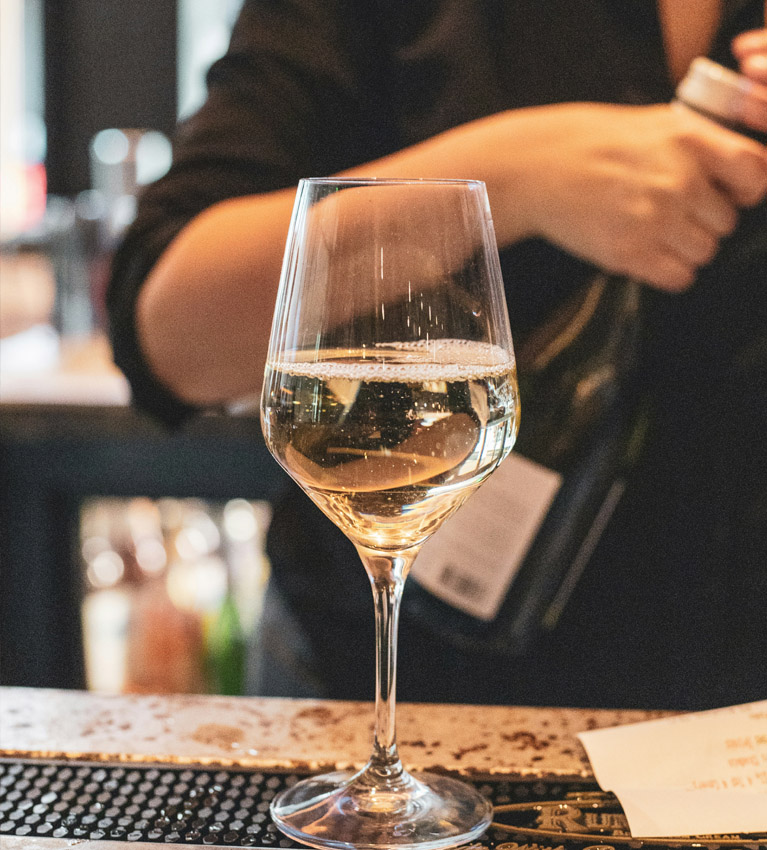
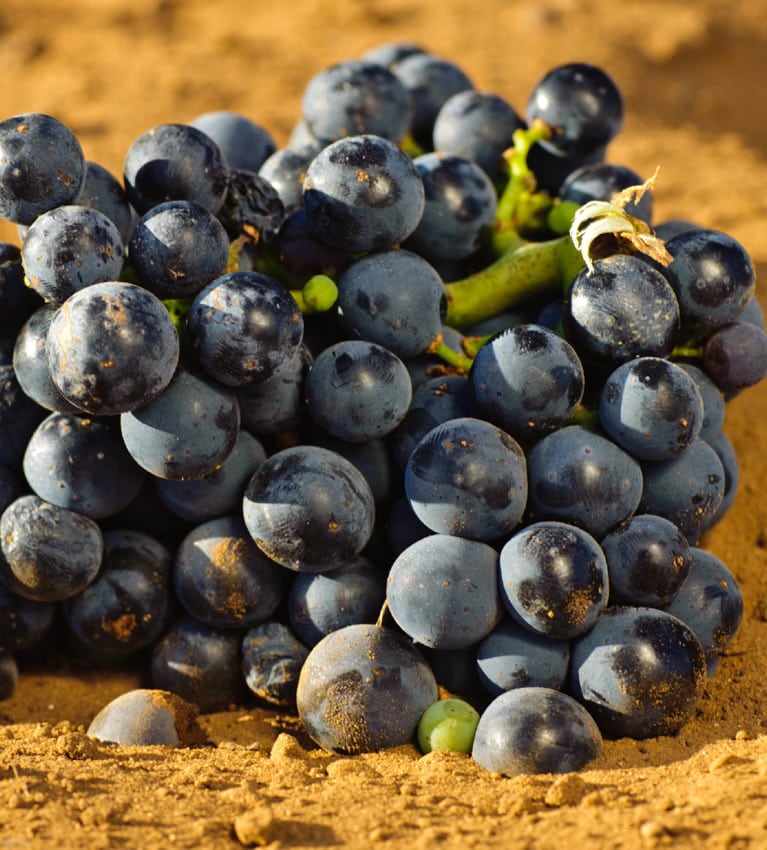
When hospitality professionals think of organic food, the focus often turns immediately to fresh fruit and vegetables. While these remain important, they represent only part of the picture. The HORECA sector has an opportunity to explore a much wider range of organic products, including meat, dairy, eggs, olive oil, wines, spirits, and speciality ingredients.
Around the world, an increasing number of restaurants and accommodation providers are making firm commitments to sustainability, with organic food forming a key part of that strategy. They are discovering that organic is not simply an ethical choice; it is a strategic one.
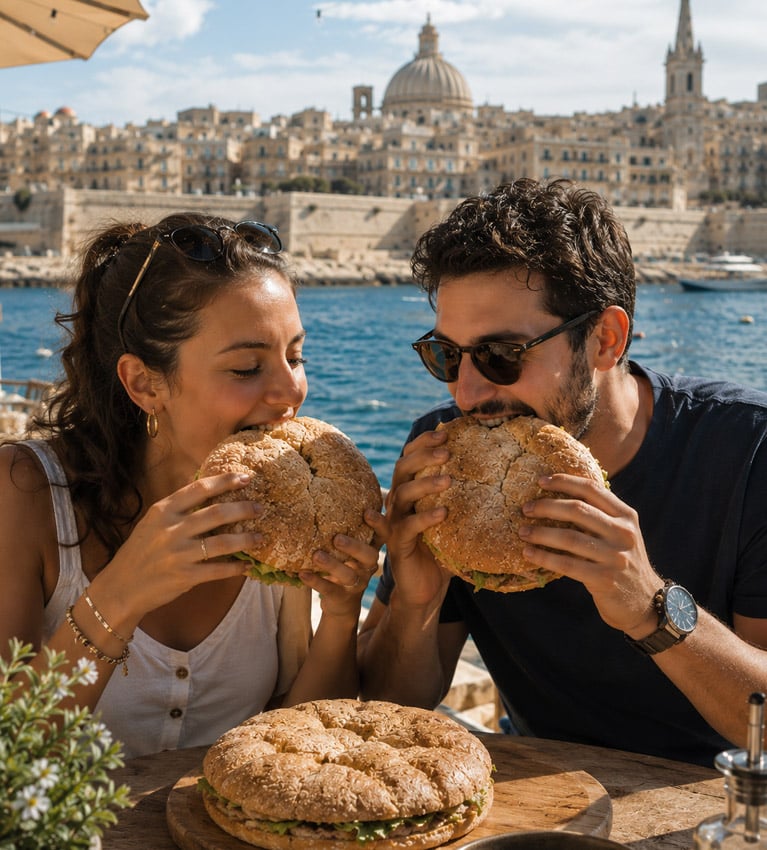
Organic choices strengthen brand positioning, build guest trust, and align with what many travellers are actively seeking. Today's visitors want authentic, healthy, and sustainable culinary experiences, particularly when visiting destinations such as Malta and Gozo. Organic food sits at the intersection of all three.
There is also an opportunity to strengthen the connection between hospitality operators and local producers. Guests are increasingly interested in where their food comes from, and businesses that can tell a compelling story about sourcing, quality, and sustainability will stand out in an increasingly competitive market.
Price remains a consideration, but operators who approach this strategically often find that the benefits outweigh the costs. Clear communication, strong supplier partnerships, and carefully selected organic offerings can deliver both financial and reputational returns.
The demand is already here. For Malta's hospitality businesses, the opportunity is to act before organic becomes an expectation.
The future of organic food in tourism is not a distant prospect. It is taking shape, and those who embrace it today will be best positioned for tomorrow.

Ryan Galea - HORECA Magazine Publisher
Ryan has a strong family-based retail background, which has successfully run the Surplus & Adventure stores for around 20 years. More recently he has been appointed CEO at the newly launched Adventure Hub project.
Having been involved for more than a decade with Innovative Solutions - selling customised menus and displays to restaurants and hotels, it was a logical step forward for Ryan to venture with HORECA Magazine, having been already involved in the Hospitality world.
Click here to see Horeca Issue 24 online