
Blazing A Trail of Innovation and Sustainability

Malta & Gozo: A Wine Story Shaped By The Mediterranean
May 23, 2026
10 Sensory Games For The Bar
May 27, 2026Josef Bonello spends a few days rediscovering the ‘wine continent’ that is neighbouring Sicily.
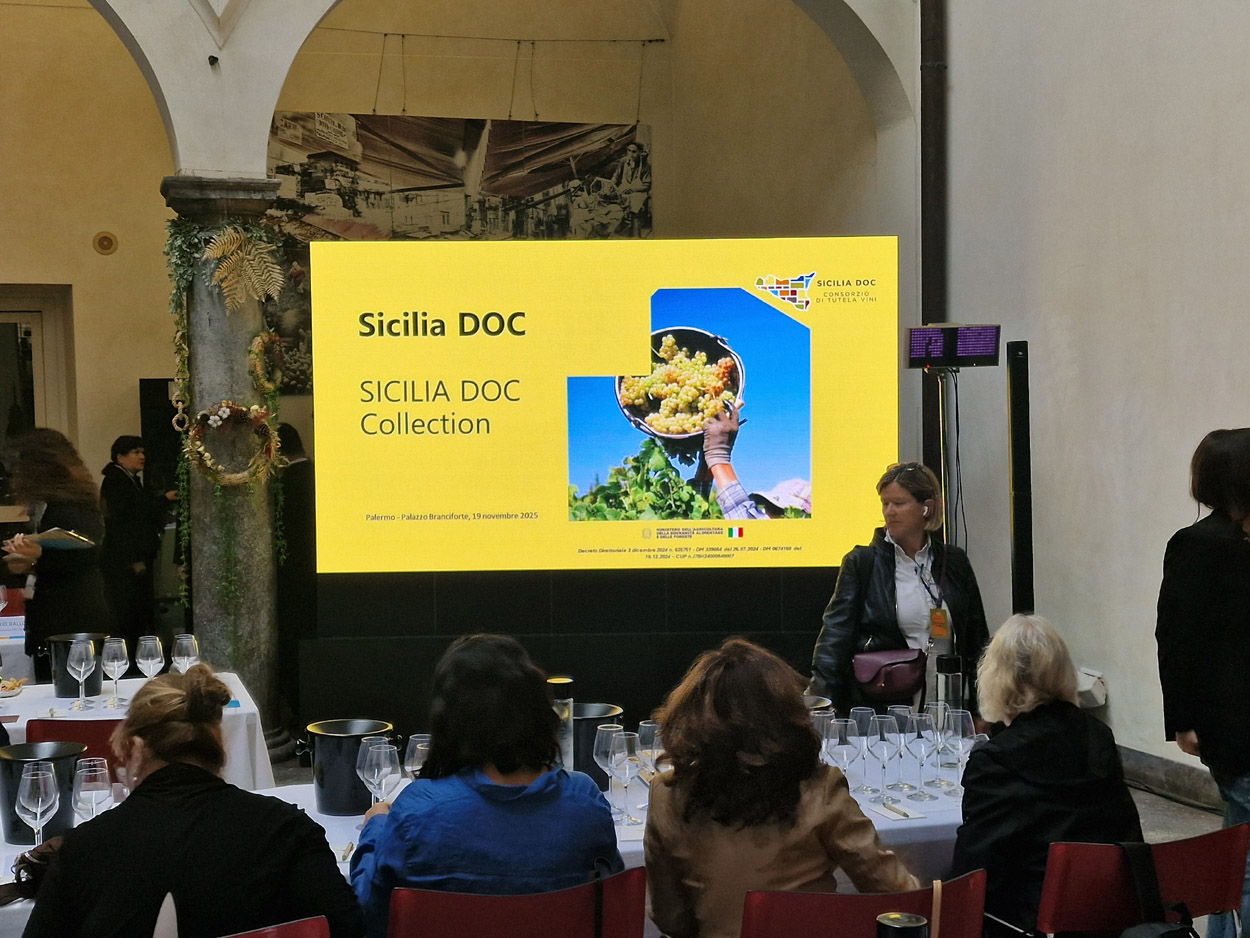
A few days immersed in the wine heritage of Sicily, meticulously organised by AB Comunicazione for Sicilia DOC and Consorzio di Tutela Vini DOC Sicilia, in close collaboration with Fondazione SOStain Sicilia, revived in me a renewed respect for a neighbouring wine reality that is not only rich in tradition but boldly shaping a more responsible future.
Rooted in a history that stretches back to Phoenician trade routes and some of the earliest evidence of Mediterranean wine commerce, the Sicilia DOC – Consorzio di Tutela Vini DOC Sicilia today represents the modern evolution of that legacy. Officially recognised in 2011 and covering the entire island, Sicilia DOC was created to protect, promote and strengthen the identity of Sicilian wine while ensuring rigorous quality standards.
By connecting growers, winemakers and bottlers under one cohesive vision, the Consortium works to position Sicily as a contemporary benchmark for value, authenticity and sustainability; a region where ancient roots meet a new generation focused on freshness, versatility and organic vineyard practices.
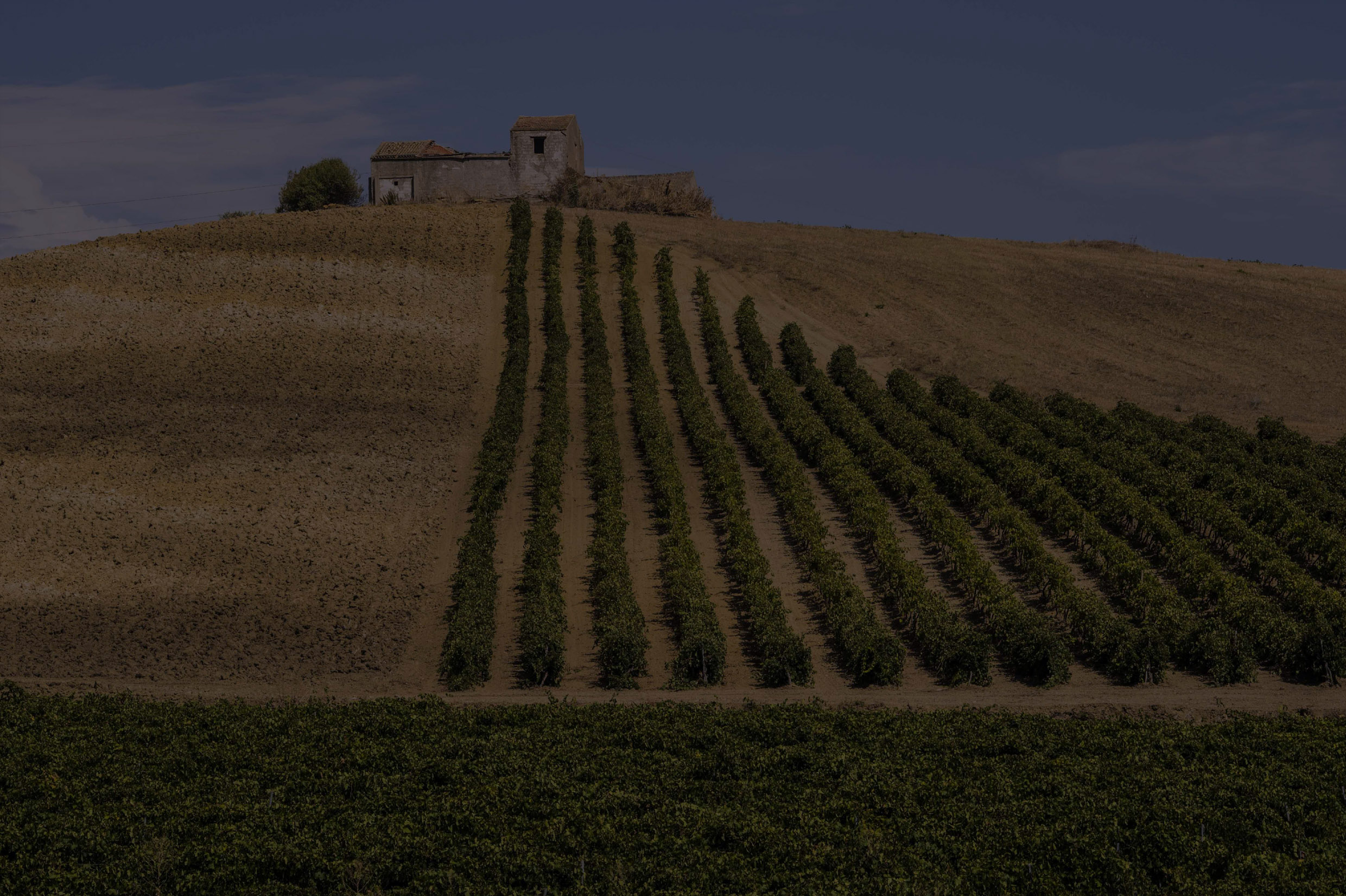
Sicily has often been described as a ‘wine continent, and after this visit I understand why. Few regions can shift so dramatically in personality: from landscapes that feel quasi-Saharan in their dryness to the snow-capped peaks of Mount Etna, where altitude and volcanic soils create wines of striking finesse. This extraordinary diversity allows Sicily to produce styles that seem to echo the character of many European regions in one place, yet always with a distinctly Mediterranean soul.
Among the white varieties, Catarratto remains the undisputed protagonist. Accounting for a significant proportion of the island’s vineyards, it has long been associated with volume production, yet I had the immense pleasure of encountering expressions ‘in purezza’ that reveal freshness, citrus tones and a delicate almond-like nuance.
Its versatility, from vibrant everyday wines to more ambitious, structured interpretations, explains why it continues to captivate both producers and consumers. Alongside it, Grillo demonstrates its remarkable adaptability, offering a spectrum of sensations that move effortlessly between coastal freshness and inland complexity.
Another pleasant rediscovery for me was Inzolia, now one of the most planted indigenous varieties, and the enchanting Zibibbo grown close to the sea. Zibibbo, in particular, charmed me with its sensual floral notes of orange blossom leading into a dry, saline palate, a reminder that aromatic varieties can still maintain elegance and restraint.
On the red side, Nero d’Avola retains its symbolic status as the ambassador of Sicilian wine beyond Etna. What struck me most was a growing stylistic clarity: producers are increasingly favouring purity and balance over excess, creating wines that align with contemporary tastes while preserving the variety’s generous character.
Frappato continues to shine with its contemporary appeal; vibrant, expressive and irresistibly drinkable, while Perricone proved to be one of the revelations of the trip for me, unfolding into a generous array of sensations that reflects Sicily’s rediscovery of its historic cultivars.
The numbers behind the denomination tell an equally compelling story. With around 97,000 hectares of vineyards and production reaching approximately three million hectolitres in 2025, DOC Sicilia has reaffirmed its position as one of Italy’s key wine regions.
The Consortium today represents more than 7,000 vinegrowers and about 500 bottlers, producing over 80 million bottles, proving to be a well-structured system that continues to strengthen Sicily’s international presence.
Yet what resonated most strongly with me during this visit was not just the wines themselves, but the forwardthinking vision driving the island. Through the work of Fondazione SOStain Sicilia, sustainability is no longer a buzzword but a structured commitment focused on biodiversity, research, education and measurable environmental impact.
I found it particularly refreshing to see industry competitors like Tasca d’Almerita, Cantine Settesoli, Azienda Agricola Arianna Occhipinti, Planeta, Feudo Arancio and others united around a shared environmental mission, proving that collaboration can coexist with commercial ambition.
As I left Sicily, I kept thinking how this Mediterranean neighbour continues to surprise me with its energy, authenticity and sense of purpose.
Today, Sicily stands as a powerful example of how heritage and innovation can move hand in hand with a wine landscape that honours its past while responsibly shaping its future.

Josef Bonello
Anointed by the god Bacchus himself as one of his most loyal prophets, Joséf was entrusted with the sacred mission of bringing wine to people very early on in his adult life. Spreading his mantra that age improves with wine, he has now been delivering the good news for almost three decades, saving many a poor soul from being lost to meagre pleasures of other earthly potions by helping them see the light eternal, as seen through a gleaming goblet of wine of the finest.
Click here to see Horeca Issue 23 online
On the red side, Nero d’Avola retains its symbolic status as the ambassador of Sicilian wine beyond Etna. What struck me most was a growing stylistic clarity: producers are increasingly favouring purity and balance over excess, creating wines that align with contemporary tastes while preserving the variety’s generous character.
Frappato continues to shine with its contemporary appeal; vibrant, expressive and irresistibly drinkable, while Perricone proved to be one of the revelations of the trip for me, unfolding into a generous array of sensations that reflects Sicily’s rediscovery of its historic cultivars.
The numbers behind the denomination tell an equally compelling story. With around 97,000 hectares of vineyards and production reaching approximately three million hectolitres in 2025, DOC Sicilia has reaffirmed its position as one of Italy’s key wine regions.
The Consortium today represents more than 7,000 vinegrowers and about 500 bottlers, producing over 80 million bottles, proving to be a well-structured system that continues to strengthen Sicily’s international presence.
Yet what resonated most strongly with me during this visit was not just the wines themselves, but the forwardthinking vision driving the island. Through the work of Fondazione SOStain Sicilia, sustainability is no longer a buzzword but a structured commitment focused on biodiversity, research, education and measurable environmental impact.
I found it particularly refreshing to see industry competitors like Tasca d’Almerita, Cantine Settesoli, Azienda Agricola Arianna Occhipinti, Planeta, Feudo Arancio and others united around a shared environmental mission, proving that collaboration can coexist with commercial ambition.
As I left Sicily, I kept thinking how this Mediterranean neighbour continues to surprise me with its energy, authenticity and sense of purpose.
Today, Sicily stands as a powerful example of how heritage and innovation can move hand in hand with a wine landscape that honours its past while responsibly shaping its future.
Josef Bonello
Anointed by the god Bacchus himself as one of his most loyal prophets, Joséf was entrusted with the sacred mission of bringing wine to people very early on in his adult life. Spreading his mantra that age improves with wine, he has now been delivering the good news for almost three decades, saving many a poor soul from being lost to meagre pleasures of other earthly potions by helping them see the light eternal, as seen through a gleaming goblet of wine of the finest.
Click here to see Horeca Issue 23 online