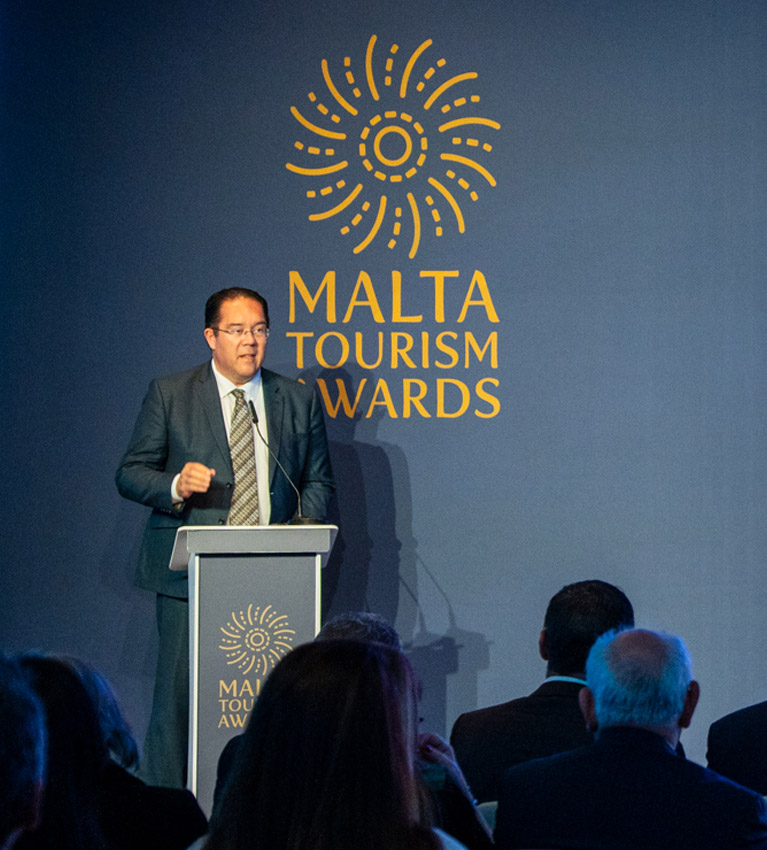
End of Year Message – Mario de Marco
December 11, 2025

End of Year Message – Carlo Micallef
December 11, 2025
End of Year Message – Tony Zahra
December 12, 2025
‘Now is the Time for Difficult Decisions'
The outlook for 2026 is positive, Shadow Minister for
Tourism Dr Mario De Marco, believes—but the worst
mistake Malta could make is to be complacent.
The tourism and hospitality industry in Malta is now at a critical juncture. Visitor numbers have been increasing steadily since 2007,
when low-cost carriers first began operating here. Since then, we’ve seen consistent annual growth, with arrivals rising from 1 million to 4 million. Over the past decade, this rise has coincided with a significant surge in the resident population.
It’s this combined total of residents and visitors that puts pressure on our infrastructure and services, which in turn raises important questions about how we maintain quality of life for residents while ensuring the visitor experience remains strong.
We need to consider whether it still makes sense to chase ever-higher numbers, or whether the smarter approach is to focus on attracting higherspending tourists. Ultimately, can we do more with less?
To increase visitor spend, we need to improve our product offering and refine our marketing programmes. That includes shifting away from the party-island image and leaning more into the Mediterranean cultural strengths we can deliver exceptionally well.
We also need to invest in the right infrastructure to host MICE activities of various scales, as these typically attract higher-spending visitors.
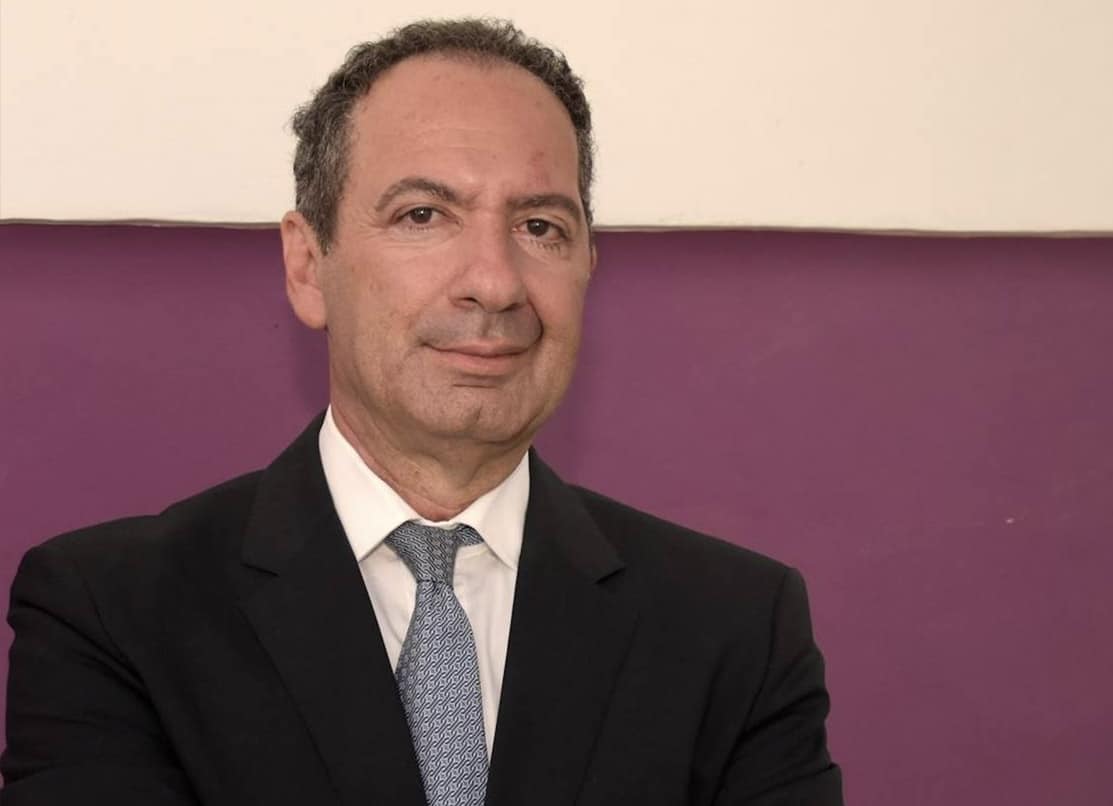
Dr Mario de Marco
Looking ahead to 2026, the outlook for tourism is positive.
The priority now is to ensure we give visitors the best
experience possible, because tourism is fundamentally
about experiences.
From next year, Malta will also have direct connectivity with the United States—a welcome development that can open up a new stream of business. To make the most of it, our offering needs to align with the expectations of the American visitor.
The next 12 months should be used to plan for the second half of this decade and beyond. The relatively strong period we’re experiencing—especially in terms of arrivals— could tempt us to ignore issues that will damage the industry if left unresolved.
This is the moment to address those challenges, even if the decisions required may be difficult in the short term.
What we cannot afford is complacency. This industry evolves quickly, and competition is unforgiving.
Sitting back and assuming current momentum will carry us forward would be a mistake.
From next year, Malta will also have direct connectivity with the United States—a welcome development that can open up a new stream of business. To make the most of it, our offering needs to align with the expectations of the American visitor.
The next 12 months should be used to plan for the second half of this decade and beyond. The relatively strong period we’re experiencing—especially in terms of arrivals— could tempt us to ignore issues that will damage the industry if left unresolved.
This is the moment to address those challenges, even if the decisions required may be difficult in the short term.
What we cannot afford is complacency. This industry evolves quickly, and competition is unforgiving.
Sitting back and assuming current momentum will carry us forward would be a mistake.