The Woman Beneath Rabat

The Most Divisive Line On The Bill !
October 30, 2026
Rediscovering Hendrick’s Through Curiosity
October 30, 2026A 2,000-year-old burial at St Paul’s Catacombs is being transformed into a striking new visitor experience, giving Malta’s tourism trade a fresh story to tell.
Two thousand years ago, a young woman
was laid to rest in what is now St Paul’s
Catacombs in Rabat.
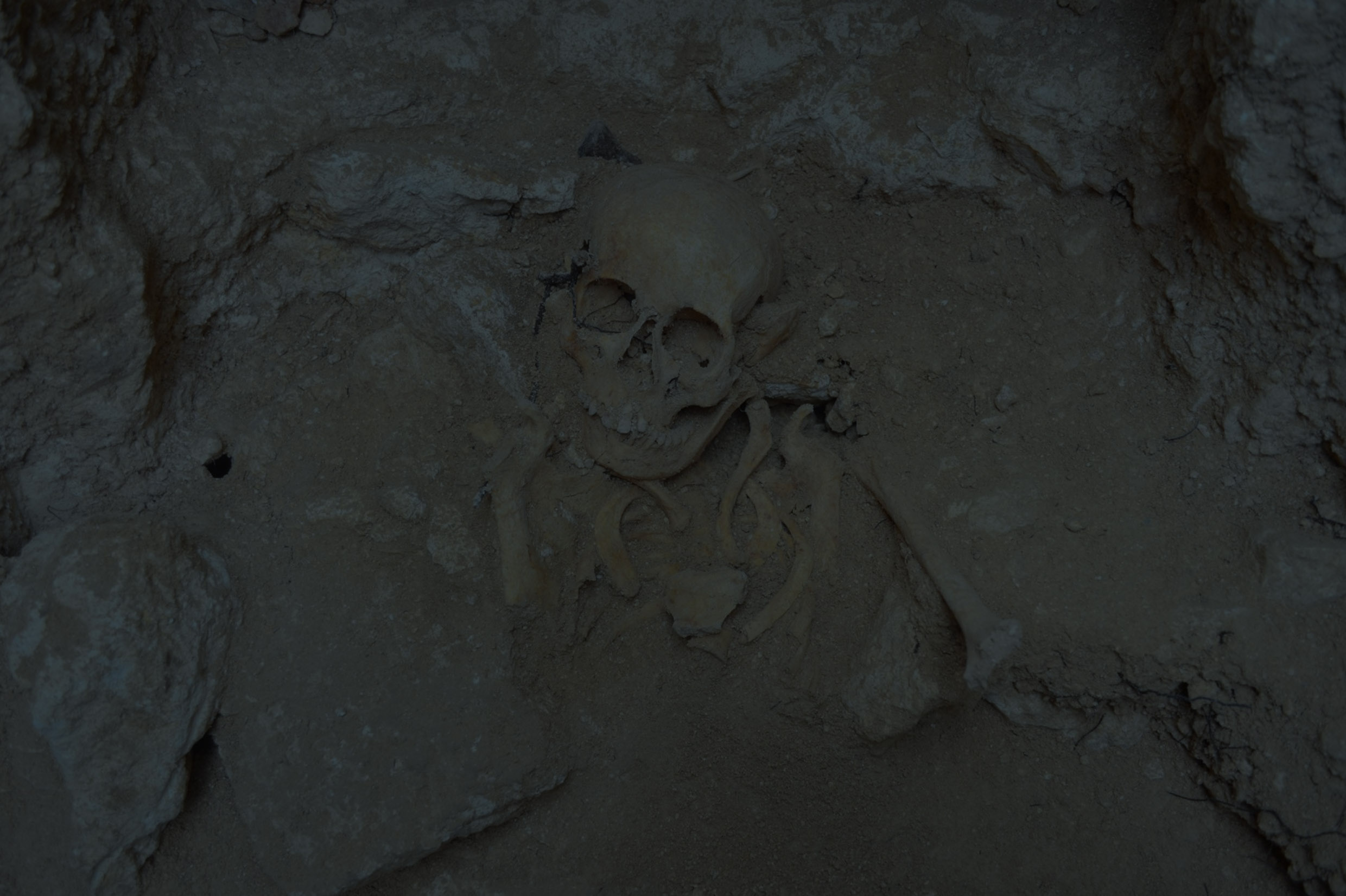
She was buried with a bone hairpin behind her skull, a glass vessel beside her head and a face-shaped pendant among a small collection of personal objects. Soon, visitors may encounter not simply her remains, but the woman herself – or at least the closest reconstruction modern science can offer.
Known to researchers as Skeleton 248, the woman was uncovered during excavations carried out between 2010 and 2015. She was aged between 19 and 25 when she died, and she left behind the most complete skull yet recovered from the site. Evidence also suggests that she may have lived with a degenerative joint condition.
Her face was reconstructed between 2018 and 2021 by researchers from the University of Palermo, but Heritage Malta is now taking the work considerably further. Ancient DNA testing, radiocarbon dating, isotope analysis and high-resolution 3D scanning will feed into a full-body forensic reconstruction expected to be completed within four years.
The delicate task has been entrusted to the Kennis brothers, the Dutch specialists behind the striking recreations of figures like Ötzi the Iceman and the Tollund Man, which have helped turn archaeological evidence into something immediate and human.
The objects found in the grave will also play an important role in this reconstruction. Pottery dating from the first and second centuries AD, a bronze netting needle, the hairpin and the small glass unguentarium all offer clues about how the woman may have dressed, worked and lived.
The finished figure remains several years away, but its promise points towards intriguing things to come for visitors to St Paul’s Catacombs, with a previously anonymous set of bones slowly becoming a person again.
And, with history being one of Malta’s strongest USPs, the shift from artefact to humanity can be remarkably powerful.