Food on the Edge 2026: Bringing The Global Food Conversation to Our Shores

Welcoming LGBTQ+ Travellers: Opportunities for Malta’s Hospitality Industry
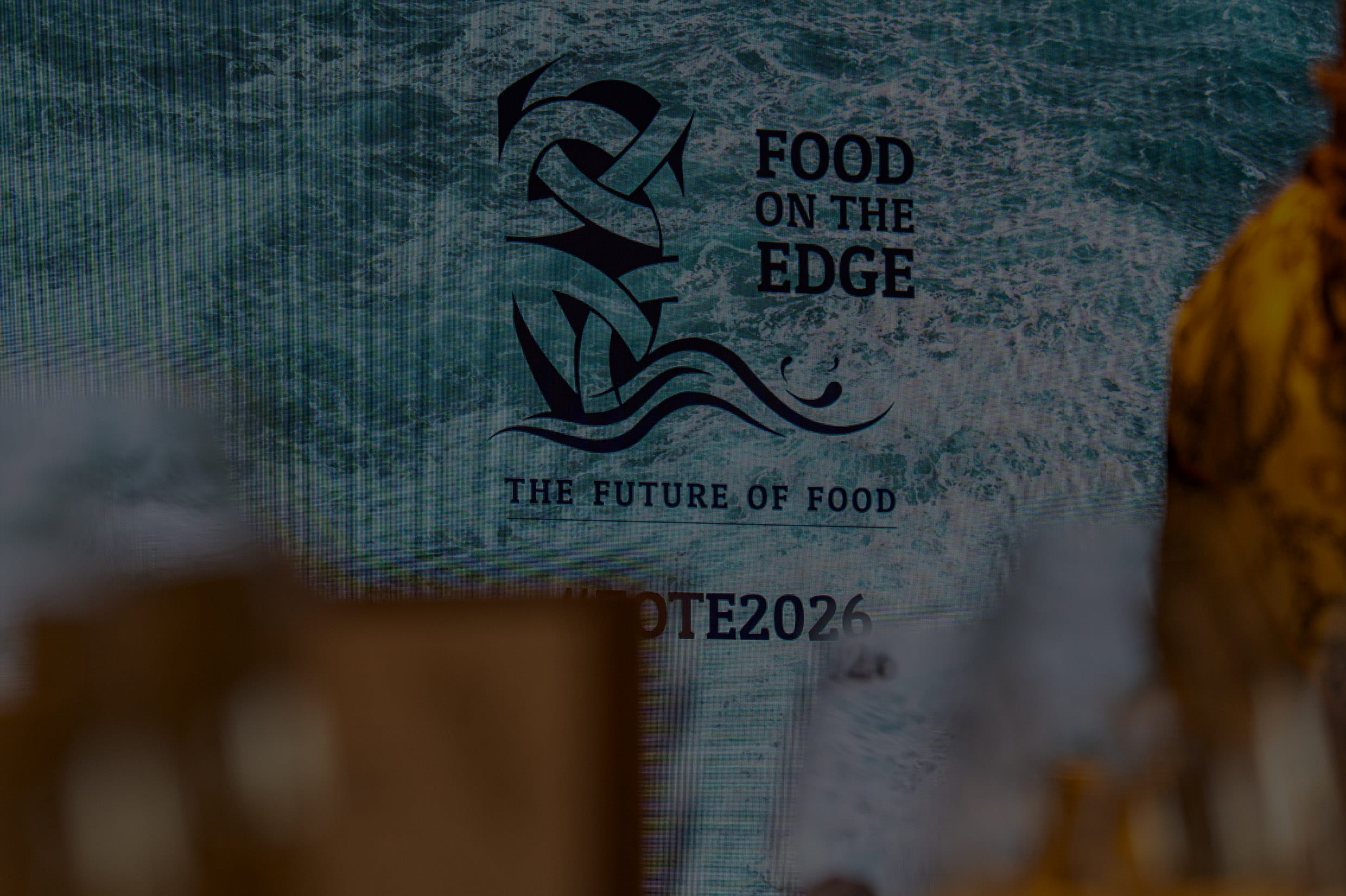
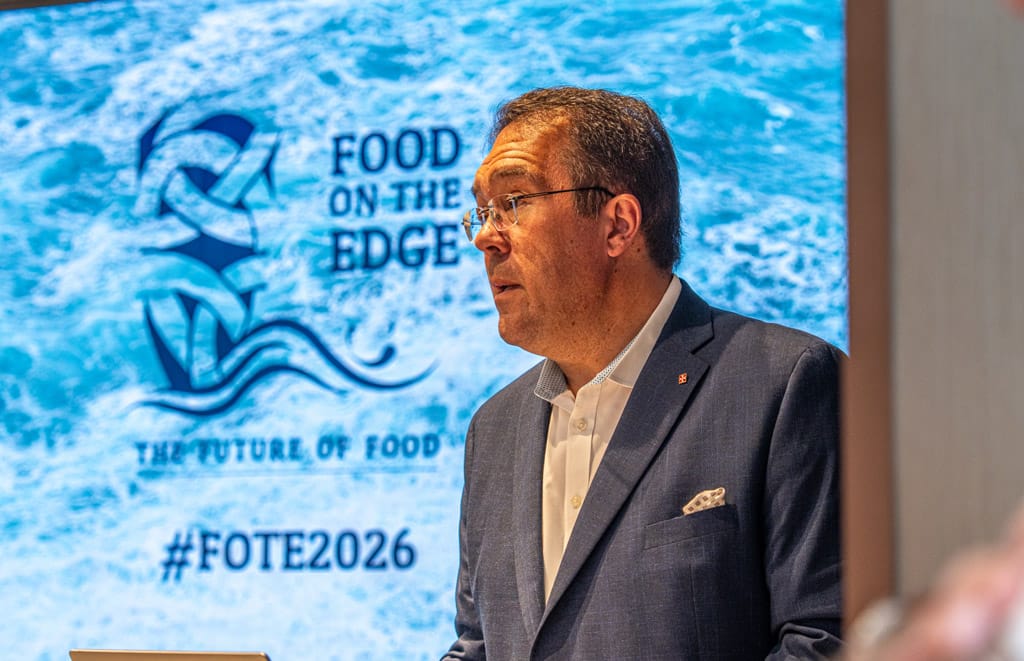
October 8, 2026This October, Malta will become the meeting point for some of the most influential voices in the international food and hospitality community as Food on the Edge comes to Valletta on 19 and 20 October 2026.
Founded in Ireland in 2015 by chef and restaurateur JP McMahon, Food on the Edge is an international symposium centred on one fundamental question: what should the future of food look like?
Over the past decade, the event has brought together chefs, producers, entrepreneurs, academics and food professionals to exchange ideas and challenge established thinking around food, hospitality, sustainability, culture and the responsibilities of our industry.
The 2026 edition represents an important milestone: for the first time in its history, Food on the Edge is leaving Ireland, with Malta selected as its first international destination.
For Malta, hosting an event of this calibre is significant. It places our islands at the centre of an international conversation about food at a time when gastronomy is becoming an increasingly important part of Malta's tourism proposition and identity
More Than a Culinary Event
Food on the Edge is not a food festival in the conventional sense. It is a symposium – and that distinction is important.
Rather than focusing solely on what is being cooked today, it creates a space in which professionals can discuss what the industry should be doing tomorrow. International speakers bring different experiences, philosophies and approaches to the table, encouraging delegates to question existing practices and consider new ones.
For Malta's HORECA community, this represents an exceptional learning opportunity. Hospitality is evolving quickly. Sustainability, responsible sourcing, food waste, changing consumer expectations, staff development, local identity and the relationship between tourism and gastronomy are no longer peripheral considerations.
They are increasingly central to running successful and relevant hospitality businesses. Having an international symposium of this nature taking place on our doorstep gives Maltese chefs, restaurateurs, hoteliers, food and beverage professionals, producers and hospitality students an opportunity to engage directly with some of the people shaping these conversations internationally
Learning From International Best Practice
One of the greatest benefits of international industry events is exposure to different ways of thinking. It is easy for any hospitality market – particularly an island market – to become focused on its own immediate challenges. Food on the Edge creates an opportunity to step outside that environment and hear how professionals elsewhere are responding to many of the same issues.
The value is not necessarily in copying what another restaurant, chef or destination is doing. Rather, it lies in understanding the thinking behind successful practices and asking how those ideas might be adapted to Malta. A symposium encourages precisely this kind of exchange. It provides the opportunity to listen, question, debate and return to one's own business with new ideas.
For Malta's HORECA industry, continued exposure to international best practice is essential if we are to keep raising standards and strengthening our reputation as a quality gastronomic destination.
The Value of the Conversation Outside the Auditorium
Equally important is what happens between the talks. Bringing together international and Maltese chefs, restaurateurs, producers, entrepreneurs and other industry professionals creates an invaluable environment for networking and collaboration.
A conversation over coffee can lead to an exchange of ideas. An introduction can develop into a future collaboration. A local producer can meet an international chef; a young Maltese professional can establish a connection that opens a door abroad; an established operator can discover a concept or practice that changes something within their own business.
These connections are one of the less tangible, but potentially most valuable, outcomes of hosting international events.
Malta's hospitality industry should therefore look at Food on the Edge not simply as something to attend, but as an opportunity to participate in a wider professional network
Malta Has Something to Contribute Too
Importantly, the exchange works both ways. Hosting Food on the Edge gives Malta the opportunity not only to learn from the international culinary community, but also to introduce that community to our own food culture.
Malta has a distinctive gastronomic identity shaped by its Mediterranean geography, history and generations of cultural exchange. Our local produce, fishermen, farmers, winemakers, food artisans, chefs and restaurateurs all form part of that story.
As international food professionals gather here, Malta has an opportunity to demonstrate how its culinary sector is developing while remaining connected to its heritage and sense of place.
This visibility can have benefits far beyond the two days of the symposium. International chefs, writers, food professionals and industry leaders become potential ambassadors for the experiences they encounter while on the islands.
An Investment in the Industry
For Malta's HORECA sector, perhaps the most important way to view Food on the Edge is as an investment in knowledge.
The hospitality industry invests constantly in physical infrastructure – kitchens, restaurants, hotel rooms, equipment and technology. Investment in ideas, people and professional development is just as important.
Events such as Food on the Edge expose professionals to new thinking, encourage discussion between different parts of the industry and give younger generations access to people and ideas they might otherwise have to travel internationally to experience.
For students and emerging hospitality professionals in particular, having an international symposium of this standing in Malta can be enormously valuable. Inspiration at the right stage of a career can influence not only what someone cooks, but how they think about hospitality, leadership, sustainability and their responsibility towards the wider food system.
An Opportunity Malta Should Embrace
The arrival of Food on the Edge is therefore about considerably more than hosting another international event.
It is an opportunity for Malta to listen, learn, connect and contribute.
It brings international expertise directly to our hospitality community while simultaneously giving Malta a platform from which to present its own culinary identity to an influential international audience.
Most importantly, it creates a space for conversation. In an industry that is constantly changing, opportunities to exchange ideas, challenge established practices and learn from one another are invaluable. Food on the Edge provides exactly that environment.
For Malta's chefs, restaurateurs, hoteliers, producers, students and wider HORECA community, October's symposium should be seen as an invitation: to engage with international best practice, to build new relationships and to be part of the conversation about where food and hospitality go next.
Equally important is what happens between the talks. Bringing together international and Maltese chefs, restaurateurs, producers, entrepreneurs and other industry professionals creates an invaluable environment for networking and collaboration.
A conversation over coffee can lead to an exchange of ideas. An introduction can develop into a future collaboration. A local producer can meet an international chef; a young Maltese professional can establish a connection that opens a door abroad; an established operator can discover a concept or practice that changes something within their own business.
These connections are one of the less tangible, but potentially most valuable, outcomes of hosting international events.
Malta's hospitality industry should therefore look at Food on the Edge not simply as something to attend, but as an opportunity to participate in a wider professional network
Malta Has Something to Contribute Too
Importantly, the exchange works both ways. Hosting Food on the Edge gives Malta the opportunity not only to learn from the international culinary community, but also to introduce that community to our own food culture.
Malta has a distinctive gastronomic identity shaped by its Mediterranean geography, history and generations of cultural exchange. Our local produce, fishermen, farmers, winemakers, food artisans, chefs and restaurateurs all form part of that story.
As international food professionals gather here, Malta has an opportunity to demonstrate how its culinary sector is developing while remaining connected to its heritage and sense of place.
This visibility can have benefits far beyond the two days of the symposium. International chefs, writers, food professionals and industry leaders become potential ambassadors for the experiences they encounter while on the islands.
An Investment in the Industry
For Malta's HORECA sector, perhaps the most important way to view Food on the Edge is as an investment in knowledge.
The hospitality industry invests constantly in physical infrastructure – kitchens, restaurants, hotel rooms, equipment and technology. Investment in ideas, people and professional development is just as important.
Events such as Food on the Edge expose professionals to new thinking, encourage discussion between different parts of the industry and give younger generations access to people and ideas they might otherwise have to travel internationally to experience.
For students and emerging hospitality professionals in particular, having an international symposium of this standing in Malta can be enormously valuable. Inspiration at the right stage of a career can influence not only what someone cooks, but how they think about hospitality, leadership, sustainability and their responsibility towards the wider food system.
An Opportunity Malta Should Embrace
The arrival of Food on the Edge is therefore about considerably more than hosting another international event.
It is an opportunity for Malta to listen, learn, connect and contribute.
It brings international expertise directly to our hospitality community while simultaneously giving Malta a platform from which to present its own culinary identity to an influential international audience.
Most importantly, it creates a space for conversation. In an industry that is constantly changing, opportunities to exchange ideas, challenge established practices and learn from one another are invaluable. Food on the Edge provides exactly that environment.
For Malta's chefs, restaurateurs, hoteliers, producers, students and wider HORECA community, October's symposium should be seen as an invitation: to engage with international best practice, to build new relationships and to be part of the conversation about where food and hospitality go next.

The Malta Tourism Authority (MTA) was formally set up by the Malta Travel and Tourism Service Act (1999). This clearly defines its role - extending it beyond that of international marketing to include a domestic, motivating, directional, co-ordinating and regulatory role. The Act strengthens the public and private partnership in tourism through greater and more direct participation by the private sector in national planning and development of the industry.
For more information visit https://www.mta.com.mt/
Click here to see Horeca Issue 25 online