MTA Unveils the Next Chapter of High-Value Tourism at Landmark National Conference

AI in Hospitality Marketing
January 24, 2026
Malta Reinforces Its Position as a High-Quality Gastronomic Destination in the 2026 MICHELIN Guide
February 17, 2026Record €3.9 billion tourist performance signals not just growth, but a strategic transformation of Malta’s tourism model.
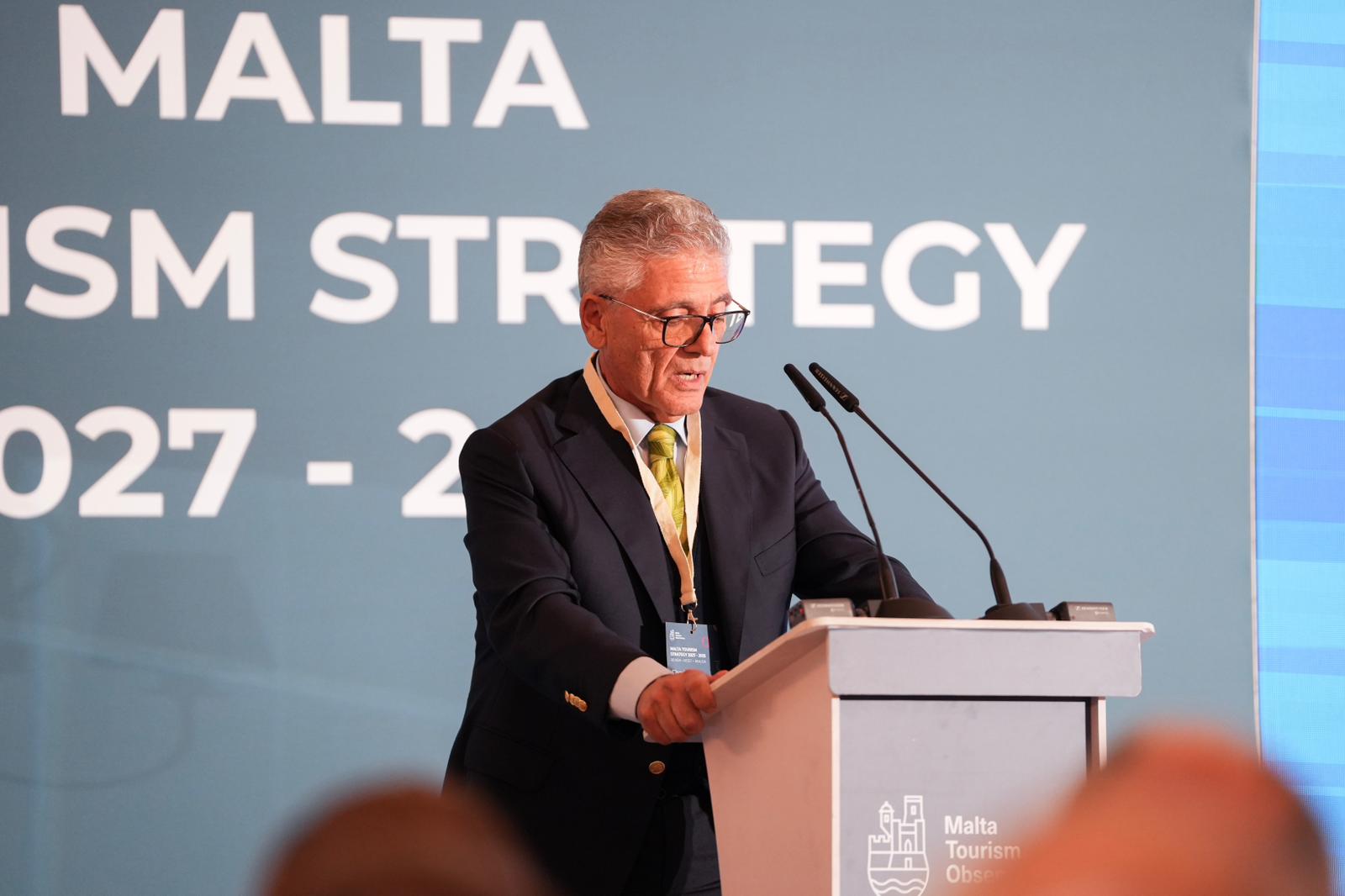
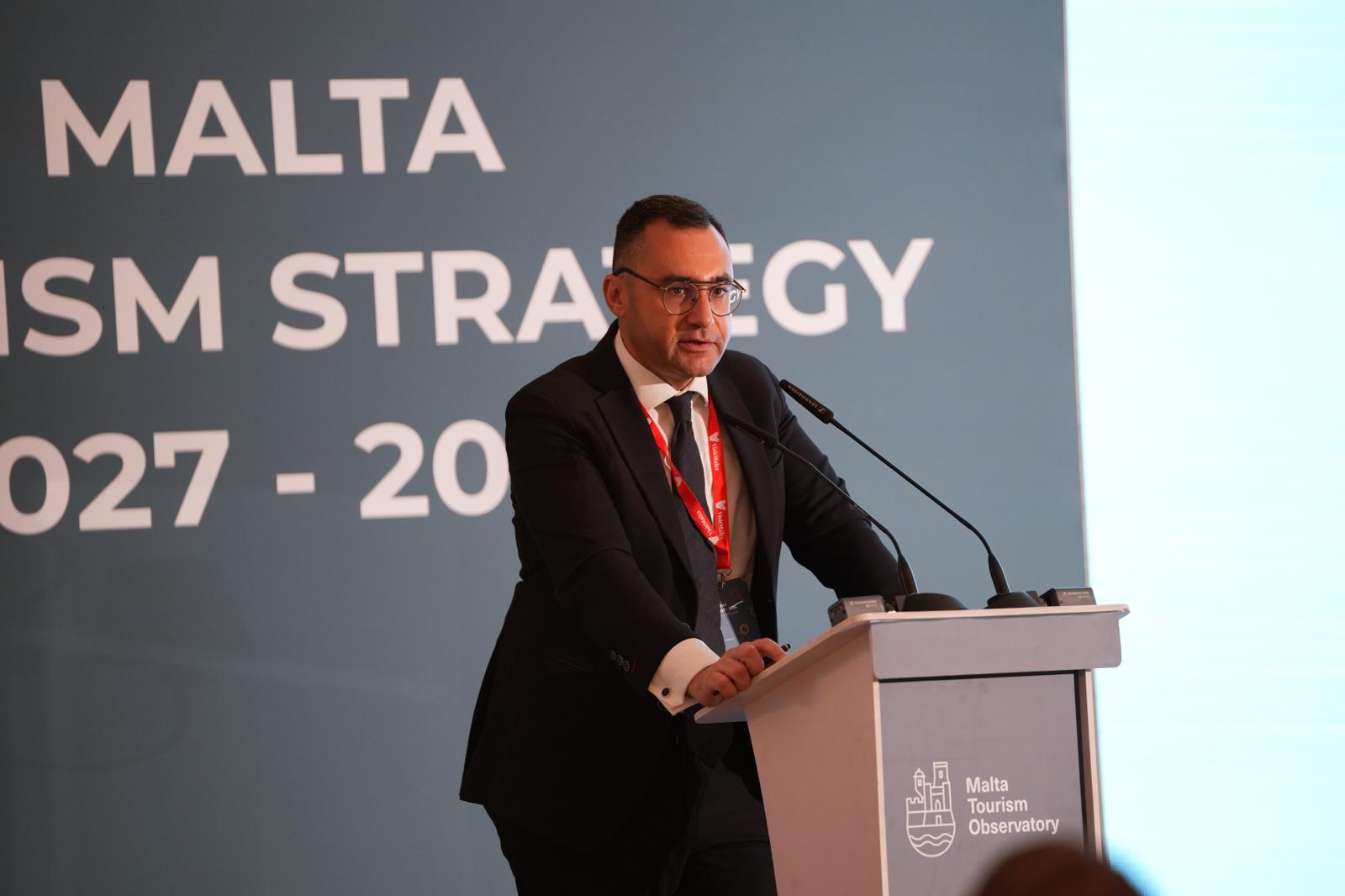
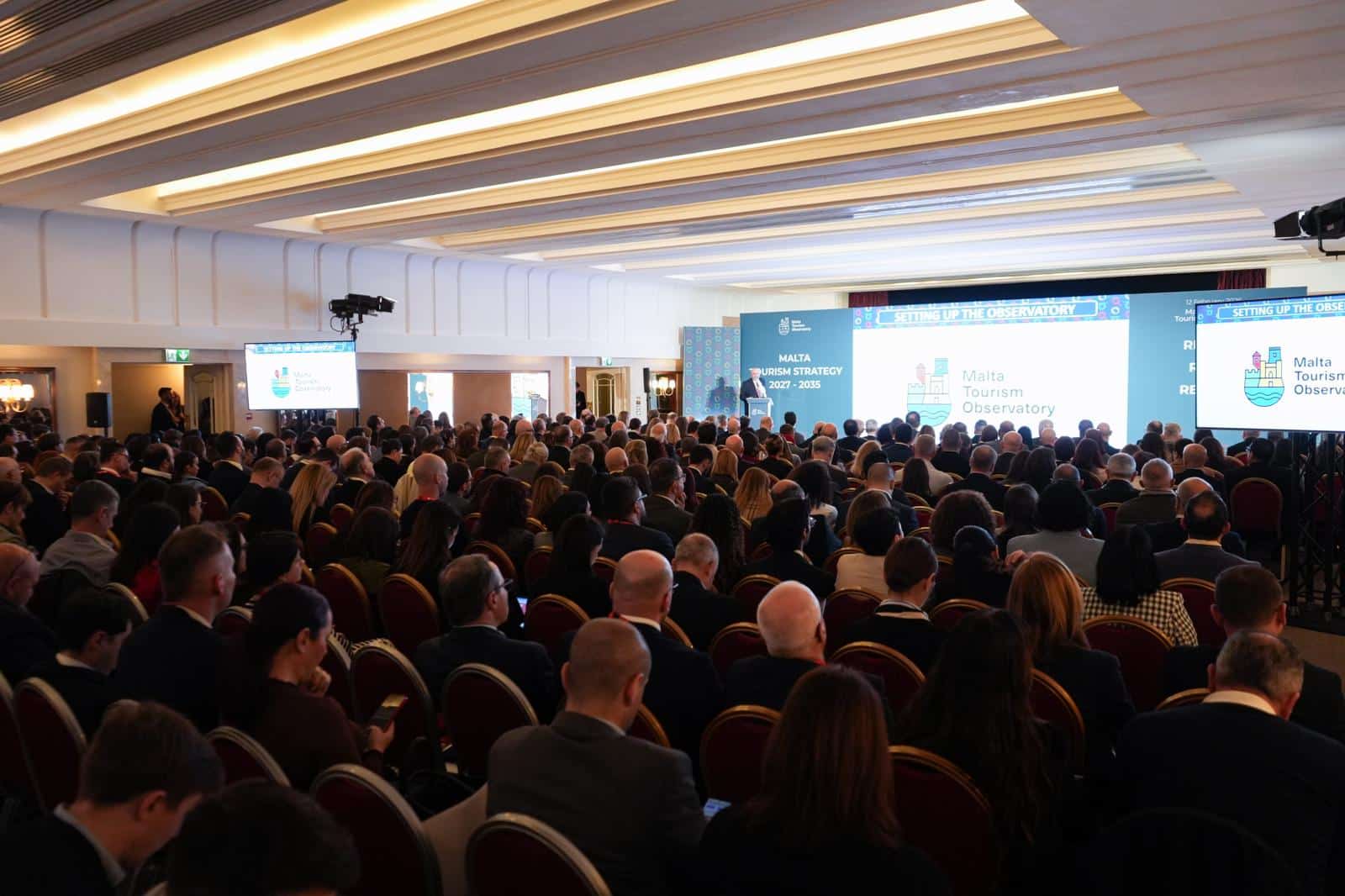
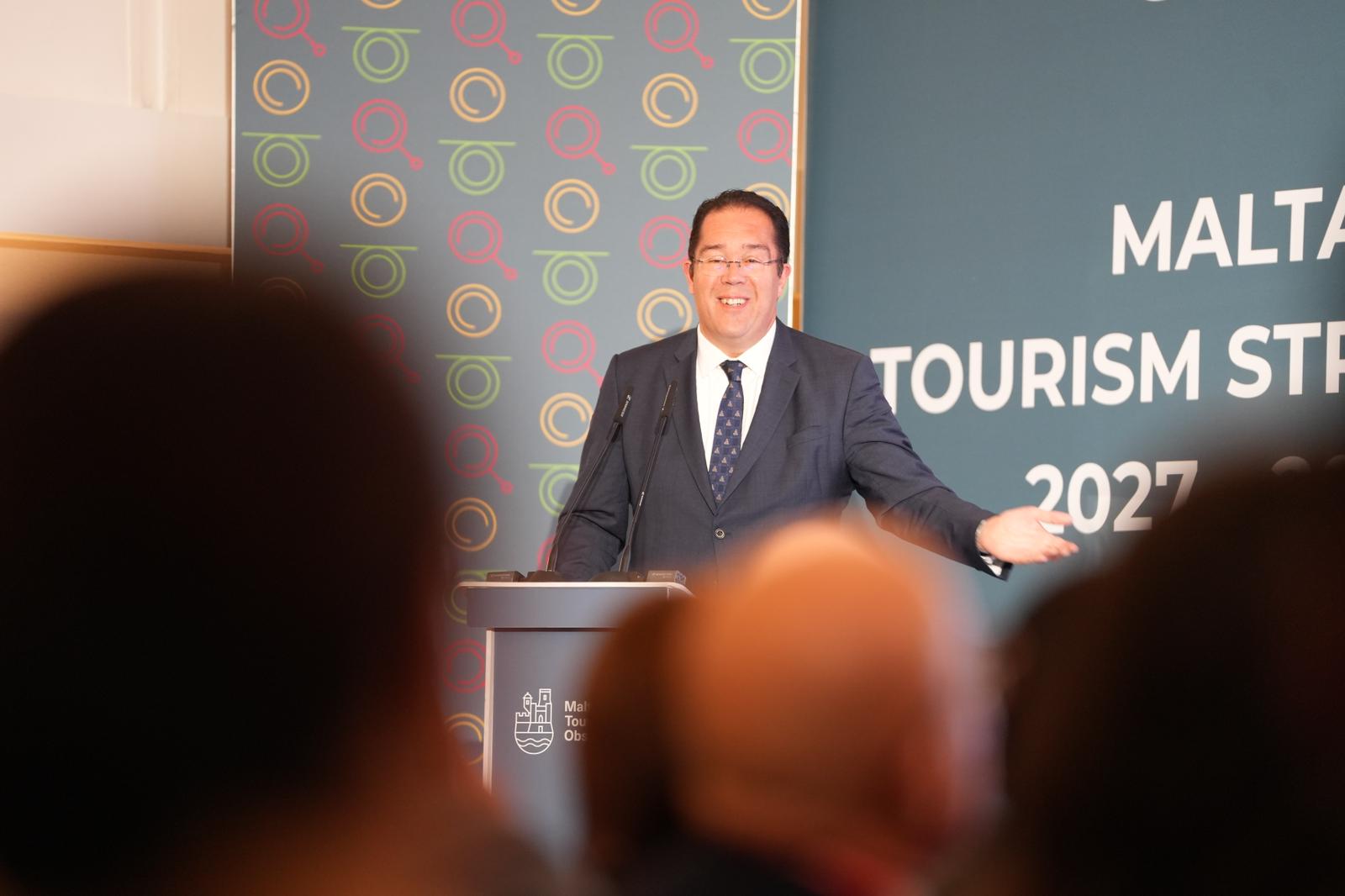
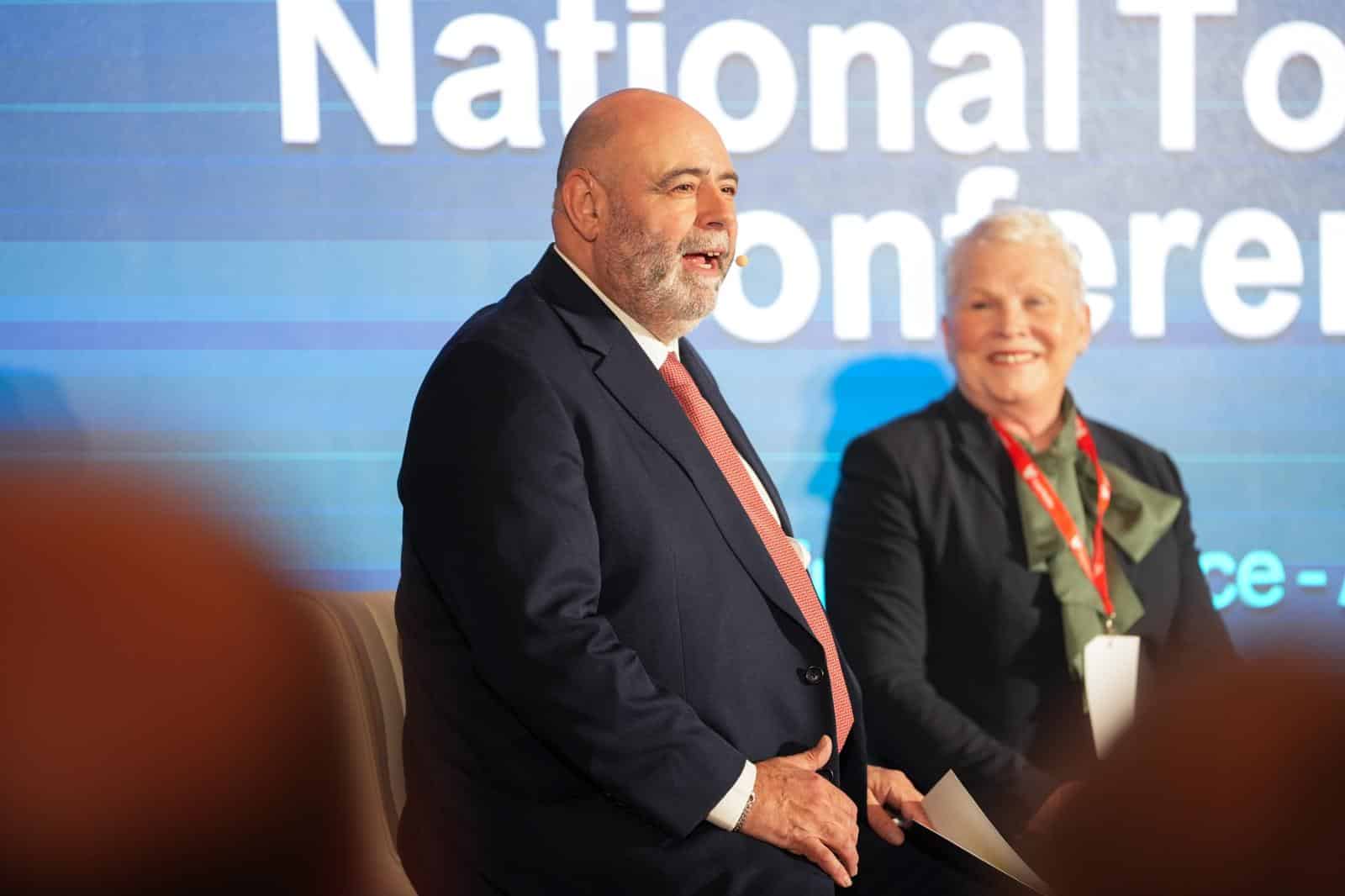
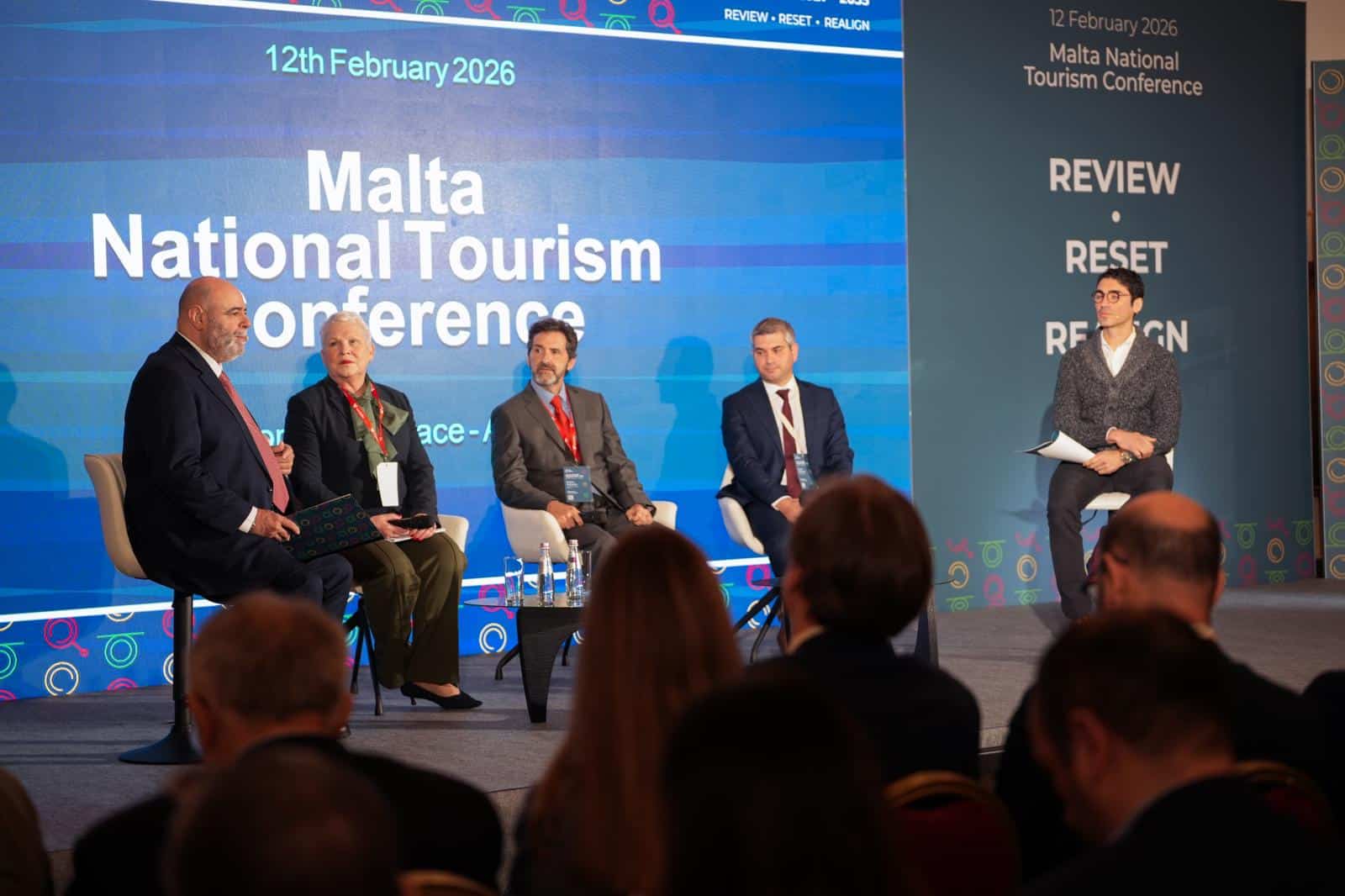
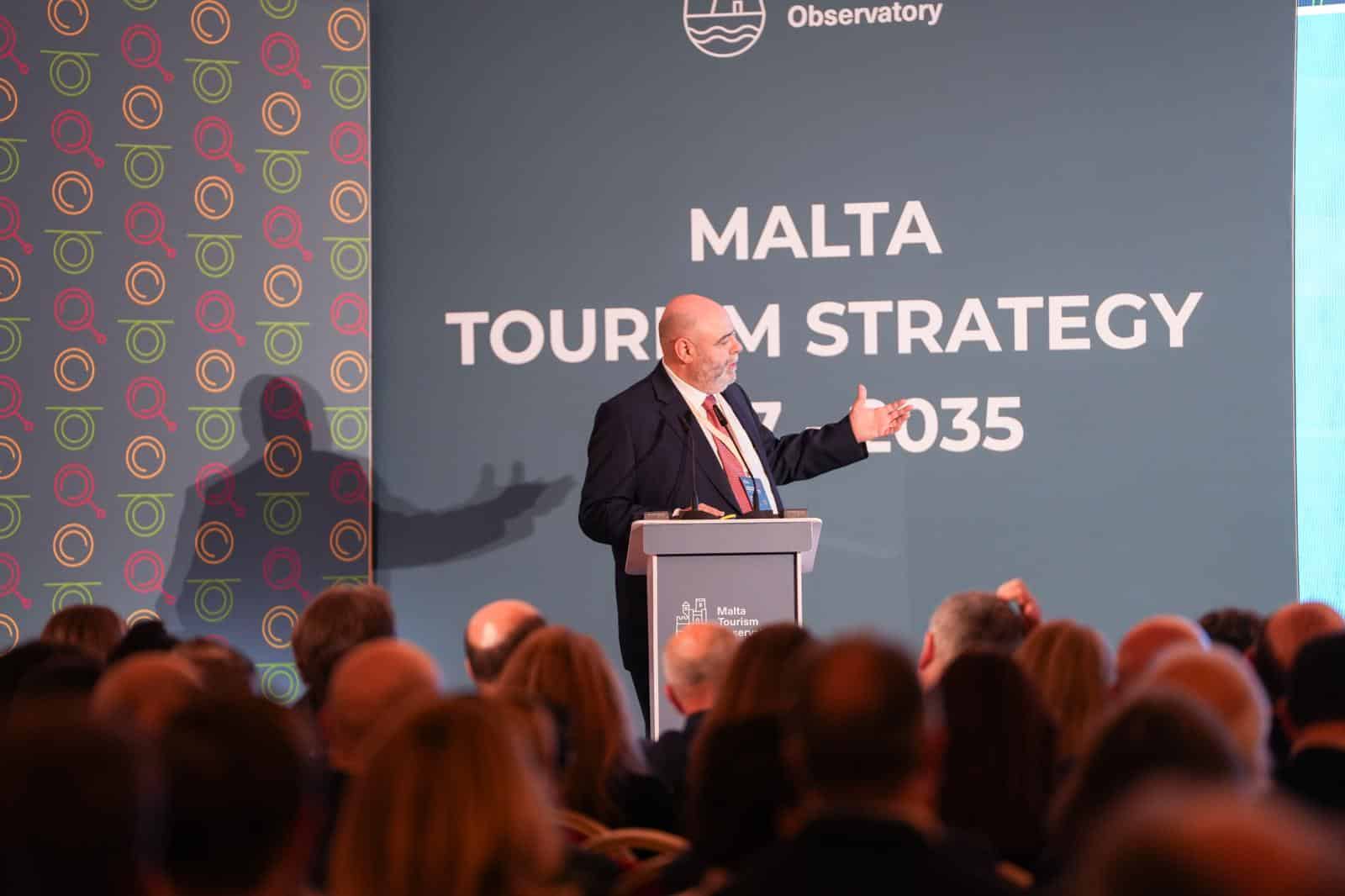
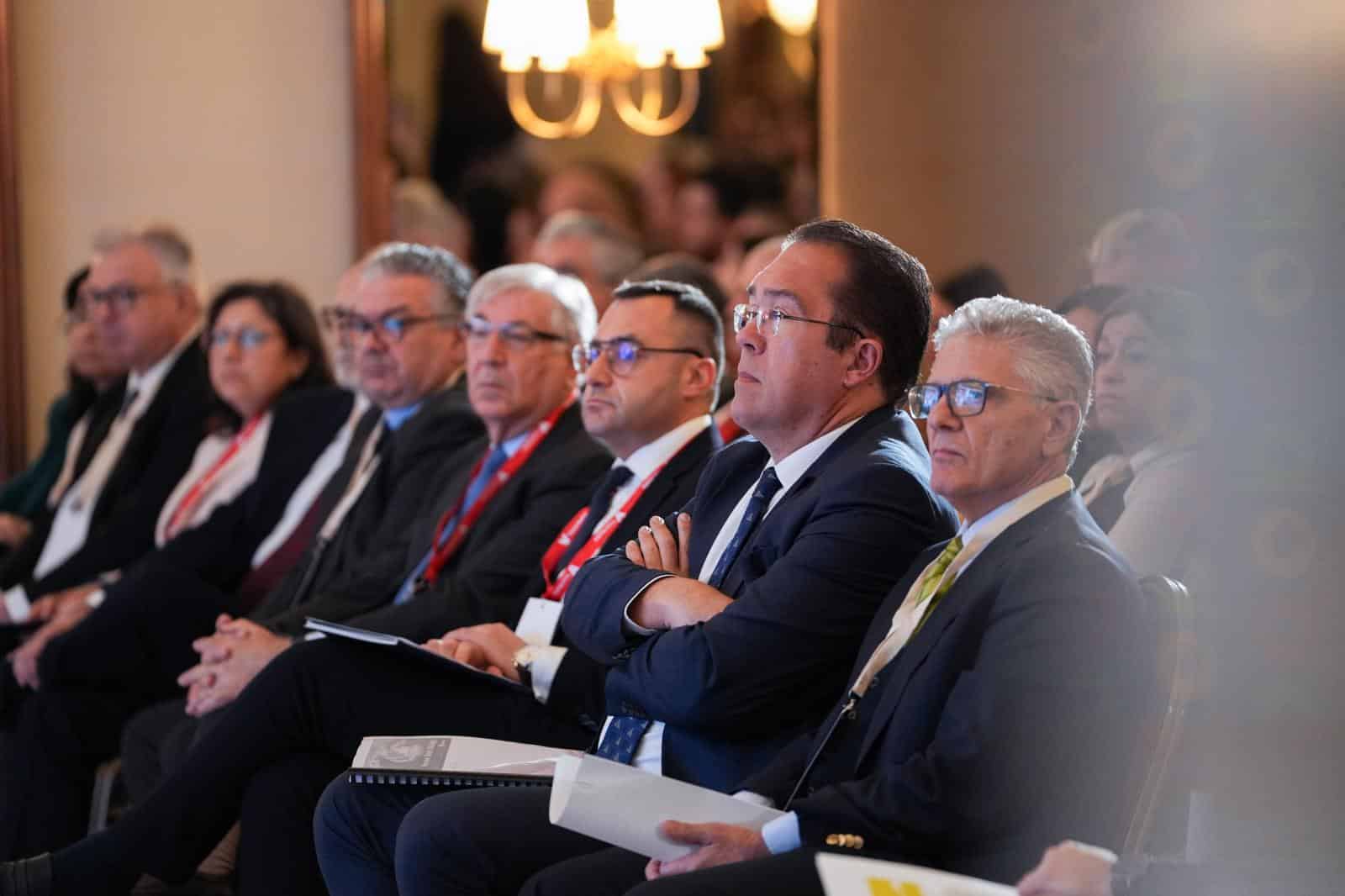
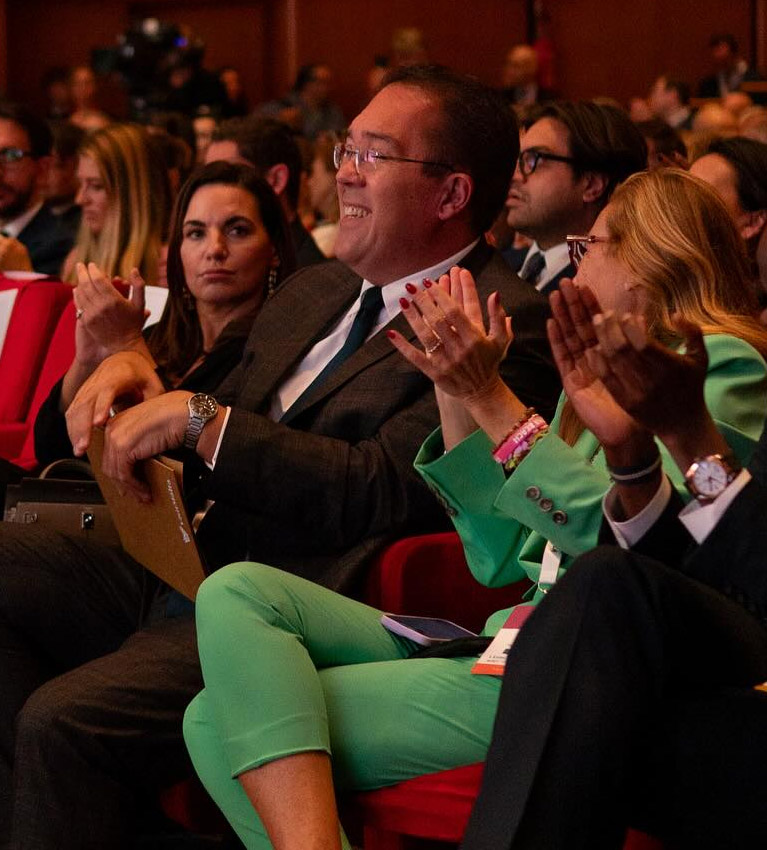
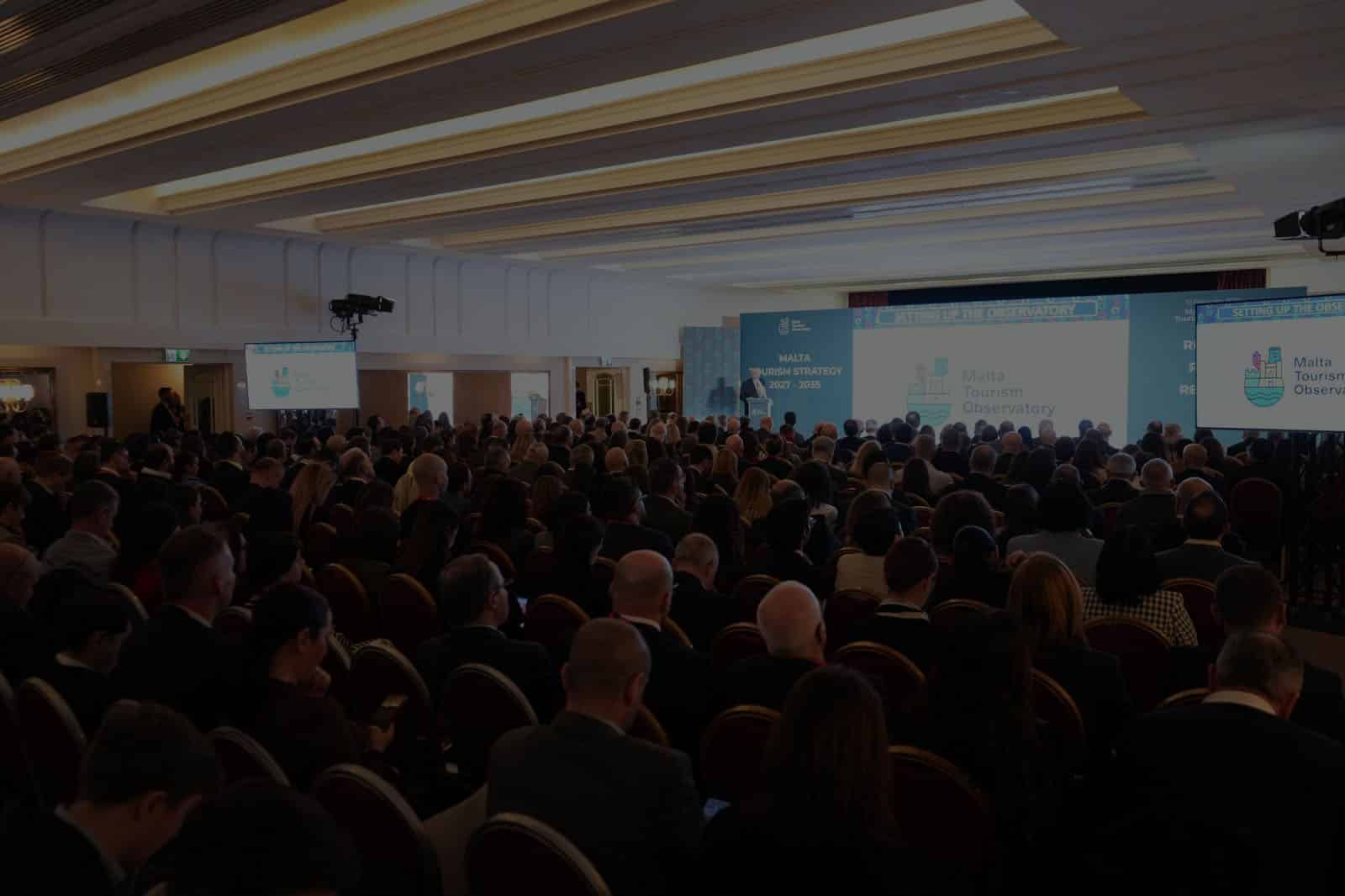
At a decisive moment for Malta’s tourism industry, the Malta Tourism Authority (MTA) today convened national and international stakeholders at the Corinthia Palace to formally launch a strategic review that will guide the next phase of the country’s tourism evolution. Held under the theme “Review, Reset, Realign,” the conference marked a strategic inflection point for Malta’s tourism industry, providing a platform to assess performance, recalibrate priorities and realign the sector’s long-term vision toward sustainable, high-value growth.
Held in collaboration with the Malta Tourism Observatory, the conference underscored that Malta stands not merely on the back of another record year, but at the forefront of a tourism model transforming in substance, direction and ambition.
The 2025 performance results, announced during the conference, confirm another exceptional year for the sector. As highlighted during the opening session by Hon. Ian Borg, Deputy Prime Minister and Minister for Foreign Affairs and Tourism, “the record levels of tourist expenditure in the Maltese Islands in 2025 – nearing the €4 billion mark – are a clear call for all stakeholders to intensify ongoing collective efforts and investments, as the country continues to realign and future-proof this crucial industry through a lower-impact, higher-value tourism model.”
Total tourist expenditure reached a historic €3.9 billion in 2025, an increase of €613 million over 2024, representing an impressive 18.6% growth. This performance was driven not only by higher volumes, but by stronger value generation. Per capita expenditure rose to €971 (up from €924 in 2024), reinforcing Malta’s strategic shift toward enhanced quality and higher-value tourism.
Inbound tourism reached a record 4.0 million visitors, reflecting a 12.9% increase year-on-year. These visitors generated 25.4 million guest nights, 2.5 million more than in 2024, marking an 11.0% annual growth. The average length of stay remained stable at 6.3 nights, indicating sustained visitor engagement.
Reflecting on this transformation, Dr Charles Mangion, Chairman of the Malta Tourism Authority, noted that Malta’s tourism industry has undergone a profound evolution over the years. What was once largely seasonal has developed into a truly year-round phenomenon. “A destination that historically relied on a limited number of source markets is now globally positioned, welcoming visitors from an increasingly diverse range of countries.”
He emphasised that tourism today is deeply integrated within Malta’s broader economic fabric, supporting and stimulating a wide array of services across a diversified economy. Its benefits are felt geographically, socially and economically across the islands.
Beyond generating billions in revenue, the sector has created new income streams, continuously driven strategic improvement, and contributed meaningfully to raising standards of living. This evolution, he explained, reflects not merely growth in numbers, but growth in quality, resilience and national ambition.
Malta’s top five source markets — the United Kingdom, Italy, Poland, France and Germany — accounted for 58.6% of inbound arrivals. Notably, the United Kingdom and Poland recorded market share increases of 1.2 and 2.2 percentage points respectively, largely driven by strengthened air seat capacity. In fact, the United Kingdom, Poland and Ireland together contributed 64.5% of the total growth in guest nights, underlining the strategic importance of sustained connectivity and focused market development.
Demographically, 35.5% of inbound tourists were aged between 25 and 44, closely followed by the 45–64 age bracket at 31.8%. All age groups recorded growth in 2025. Significantly, travellers aged 45 and over accounted for 67.3% of the total increase in inbound tourists, gaining 3.2 percentage points in market share, further strengthening Malta’s appeal among mature, higher-spending travellers.
Addressing the conference, Mr Leslie Vella, Deputy CEO and Chief Officer Strategic Development at the MTA, described the establishment of the Malta Tourism Observatory as a defining milestone in the destination’s maturing. He explained that it reflects an industry that is not only successful, but sophisticated enough to rigorously analyse its own performance, trends and impacts.
“By investing in its own Observatory, Malta positions itself alongside the world’s most advanced tourism destinations, those guided by data, insight and long-term vision. This deeper analytical capacity, he noted, strengthens strategic decision-making and supports Malta’s ambition to secure its place among leading global destinations.”
Importantly, Malta continues to attract new audiences while retaining strong visitor loyalty. First-time visitors accounted for 78.9% of arrivals, while repeat visitors represented 21.1%, with both segments registering double-digit growth of 12.6% and 14.0% respectively.
Speaking about the Authority’s forward strategy the Chief Executive Officer, Mr Carlo Micallef, emphasised that Malta’s tourism industry continues to register sustained growth in visitor expenditure, further validating the effectiveness of its quality-driven approach. “At the same time, maintaining competitiveness in an increasingly dynamic global landscape requires clear differentiation.
The Malta Tourism Authority has therefore intensified targeted marketing initiatives in high-footfall locations across priority markets, while strategically expanding its outreach beyond Europe into key long-haul destinations. The overarching objective is to achieve a balanced and resilient market portfolio, strengthening diversification between European and long-haul markets to safeguard sustainable growth and long-term stability.”
Malta’s tourism industry is increasingly shaped by what truly distinguishes the destination, its heritage, culture, traditions, landscapes and authentic experiences. This strategic direction is not only elevating the quality of the visitor experience, but actively sustaining the country’s tangible and intangible assets, reinforcing the identity that defines Malta and positioning it confidently for the next chapter of sustainable, high-value growth.