Delivering Elevated Personal Experiences

Gold Medal for Delicata’s Gran Cavalier Merlot Riserva 2023
December 17, 2025
Should We Prepare for a Black Rabbit Takeover?
December 20, 2025
Guests are no longer satisfied with good service alone;
they now seek personalised experiences that make them
feel valued.
And every elevated experience begins with
listening and understanding, Joseph Galea writes.
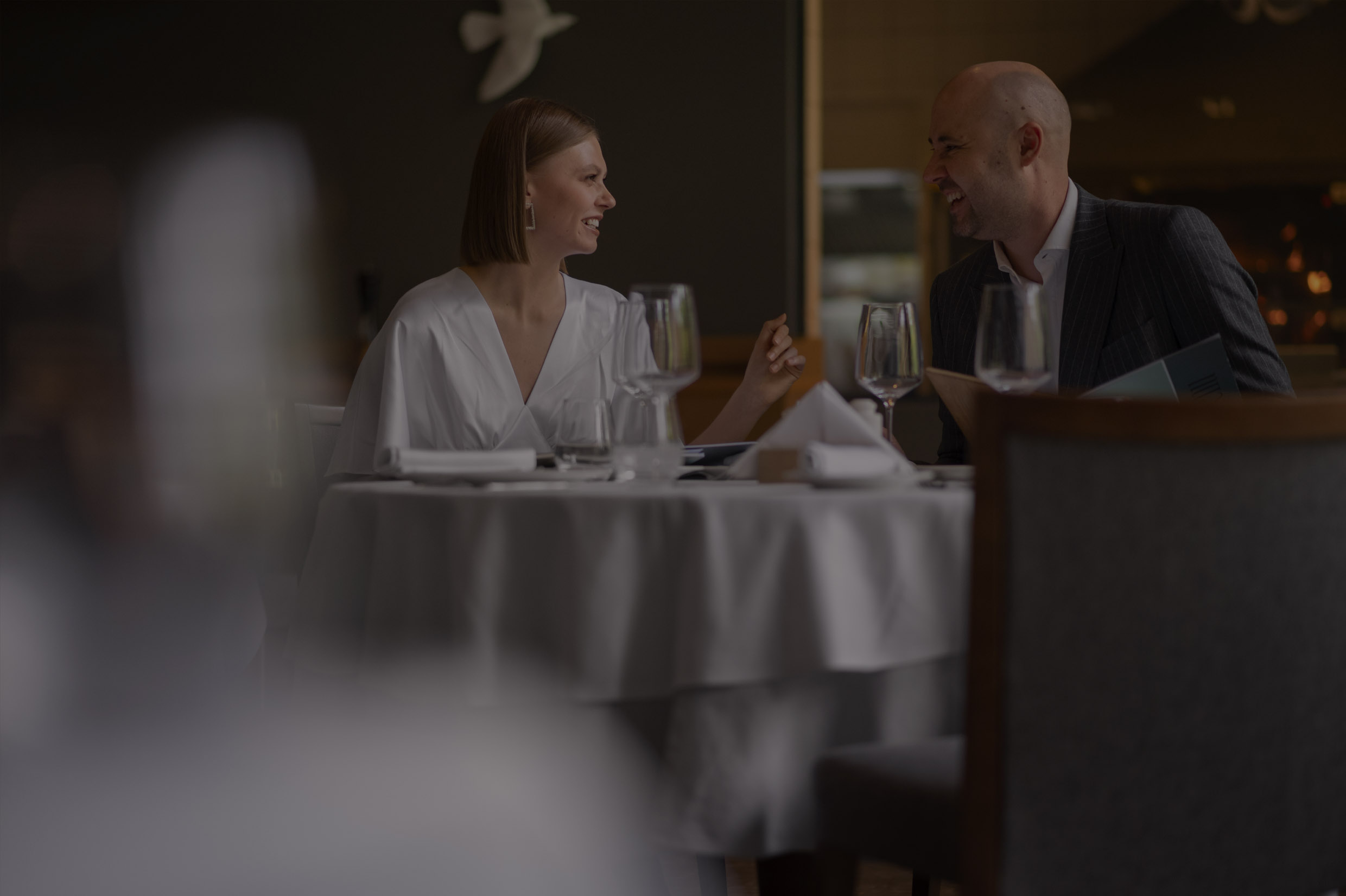
People do not really dine out only to satisfy hunger, but rather to seek social connection.
Even the tourist on holiday who simply needs to eat can easily order a takeaway or prepare a simple meal, instead of taking time to choose a restaurant for a night out.
Dining out is an experience; for many, it is a form of relaxation, convenience, a break from routine, and a chance to enjoy a gastronomic experience they cannot replicate at home.
It also serves as a way to celebrate special occasions, explore new cuisines, treat oneself, and avoid the effort and time involved in home cooking.
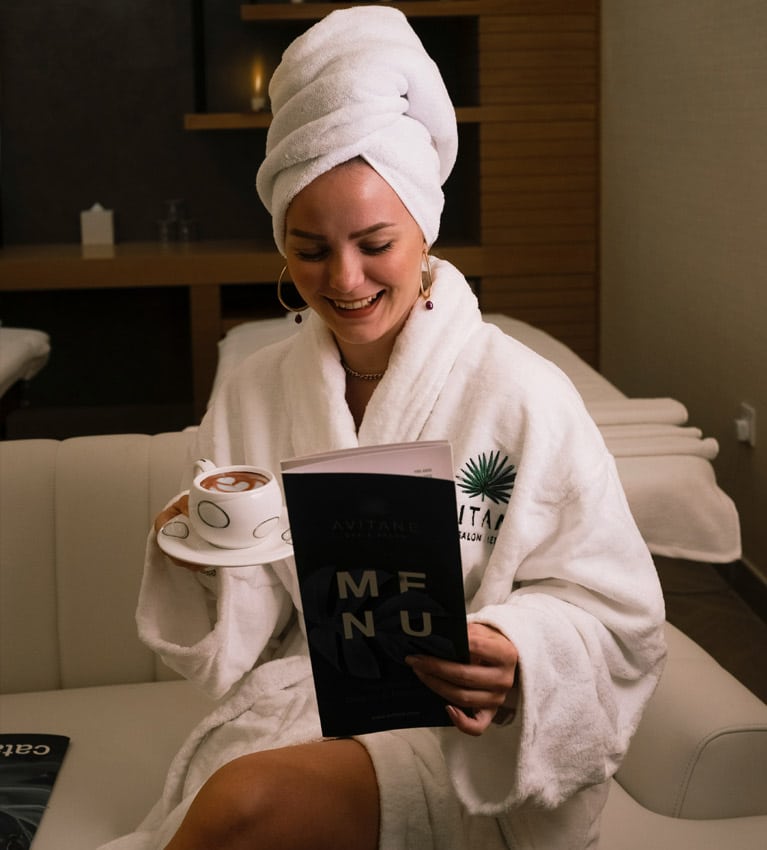
Of course, the same applies to hotels. For many guests, hotels are no longer just a place to stay and sleep - the stay itself is the experience, and it often defines how successful or relaxing a trip is overall.
Today, guests are no longer satisfied with good service alone; they now seek personalised, memorable experiences that make them feel valued.
Whether in a hotel or a restaurant, the ability to create curated encounters can determine whether a guest becomes a loyal client and promoter, or a one-time visitor.
Delivering an elevated personal experience requires a combination of training, empathy, and dedication — not just interest, but a genuine commitment to connection.
Every elevated experience begins with listening and understanding. Hotels and restaurants must actively capture guest preferences and requests.
Of course, it is not always possible to anticipate every need, which is why staff must be trained to respond positively to any request. It is the staff who deliver experiences, and they must be trained and empowered to anticipate and meet needs.
A well-trained server who notices that a guest has a food allergy should immediately be able to suggest safe menu options.
Similarly, a hotel receptionist who offers a room near the lift to a guest with mobility issues can transform the ordinary into the exceptional.
Guests today want to feel like individuals, not transactions. Hospitality staff are the face of the guest experience. Training must go beyond service basics to include empathy, cultural awareness, and initiative.
For instance, a server in a seafront restaurant in Sliema or Marsaxlokk who notices a guest admiring the view might suggest the best spot for a sunset photo.
Likewise, hotel staff who learn that a guest is celebrating an anniversary or birthday might ask housekeeping to arrange a bottle of prosecco and a handwritten congratulatory note in the room. Genuine gestures like these transform a stay or meal into a cherished memory.
Memorable moments often come from the unexpected - and many can be created at no cost.
An elevated personal experience should feel seamless from beginning to end. Removing friction is often more important than adding flair.
Guests remember the ease of their journey as much as the highlights. A smooth, wellcoordinated experience is a mark of professionalism and care.
True personal experiences, particularly for foreign visitors, should also reflect the identity of our destination. It is what gives a trip to Malta its authentic touch, and this is where restaurants can elevate service by weaving in local culture, flavours, and traditions.
Hotels too can play the authenticity card by offering a welcome drink featuring local ingredients - creating an opportunity to tell the story behind it or explain how a local delicacy is produced.
Guests often seek experiences they cannot replicate at home. By embedding authenticity into the service, our hospitality sector can offer not just comfort, but discovery.
Hospitality is dynamic, and so are guest needs. Elevated experiences rely on real-time responsiveness. If a guest expresses dissatisfaction, staff should be trained and empowered to act quickly and resolve the issue before it escalates.
Turning a potential negative into a positive often leaves a stronger impression than a flawless stay or meal.
What matters most is how staff respond. A quick and empathetic resolution can turn a potentially frustrating situation into one of appreciation — and a disgruntled guest into an active promoter.
Guests often remember how problems were handled more vividly than the problem itself.
Ultimately, delivering an elevated personal experience is about building emotional loyalty, and this must start with the person delivering the service.
When guests feel understood, cared for, and pleasantly surprised, they are far more likely to return and recommend the establishment. Loyalty built on emotion is stronger than that based solely on discounts or convenience.
After all, today’s hotel or restaurant guest seeks positive and unique experiences; while price is important, it is not always the main concern.
Experiences are harder to replicate than facilities or cheaper prices — and that is what matters most today. In the end, what guests remember is not just where they stayed or dined, but how those places made them feel.

Joseph Galea JG Tourism Solutions (joe@jgtourismsolutions.com)
Joseph Galea is the Founder of JG Tourism Solution, a private consultancy providing strategic expertise to the hospitality, tourism, and aviation industries. With a career that includes senior appointments both in Malta and abroad, he has held prominent leadership positions such as Director of International Marketing at the Malta Tourism Authority and also served as Chief Executive Officer of Air Malta.
Joseph also currently chairs the Tourism Operators Business Section within the Malta Chamber, where he remains actively engaged in advancing the sustainable growth and long-term development of the tourism sector.
Click here to see Horeca Issue 22 online